A Sticker Counts as an Album Now
Starting with the October 2 tracking week, Billboard adds a sales format called the smart media album. It is the first new physical category since the CD, forty years ago. Two of the seven vendors Luminate approved are Korean companies. Here is how Circle Chart and Oricon have counted the same object, and what you have to lock down at the design stage if you want to build one.
Open the box and a stage comes out. It is 41 centimeters, you assemble it yourself, a booster pack of random cards comes with it, and so does a 30-centimeter sticker sheet. This is the limited edition of the new record by the German band Electric Callboy, and it costs 92.99 euros.
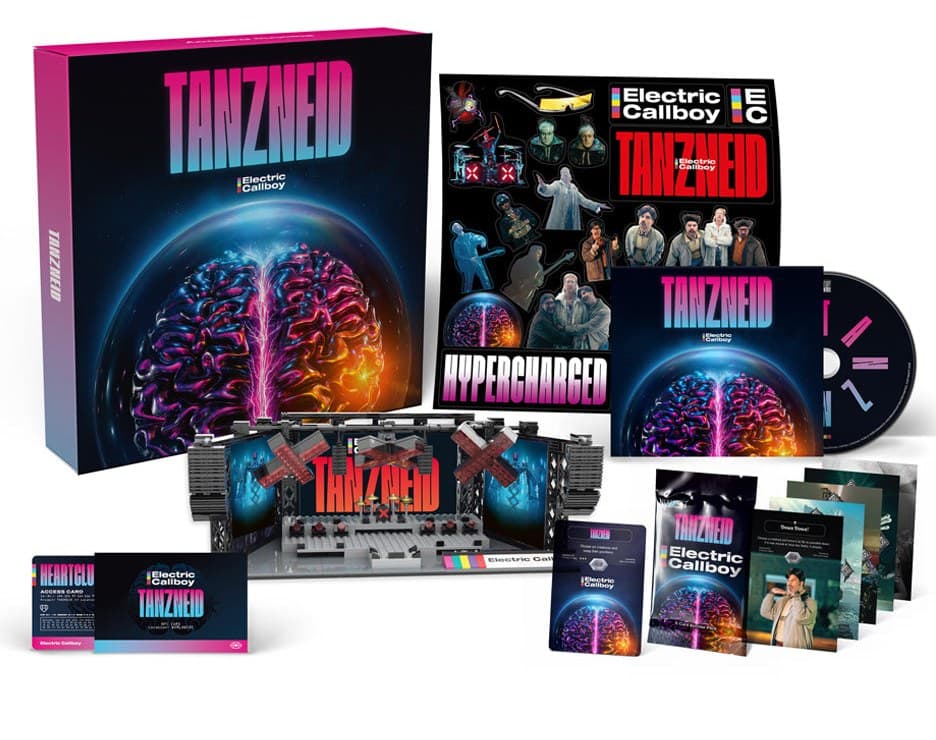
The same band also sells a 13.99-euro card. Tap a phone to it and the whole record plays, along with exclusive video and a minigame. There is no app to install and no account to create.
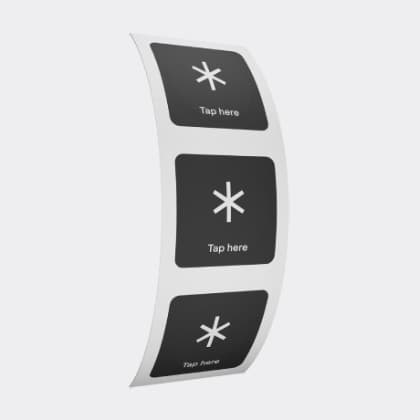
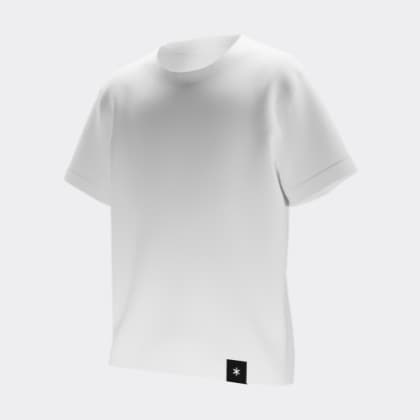
IYK, in the US, sells stickers and T-shirts. Tap a phone to the patch on the chest and the music opens up. Ed Sheeran has put out a product with them. ZATAP, in Switzerland, puts chips into scarves and sneakers. The German rapper reezy sold a 35-euro product called a Battle Pass, which ships with a mobile card-collecting game attached to the album.
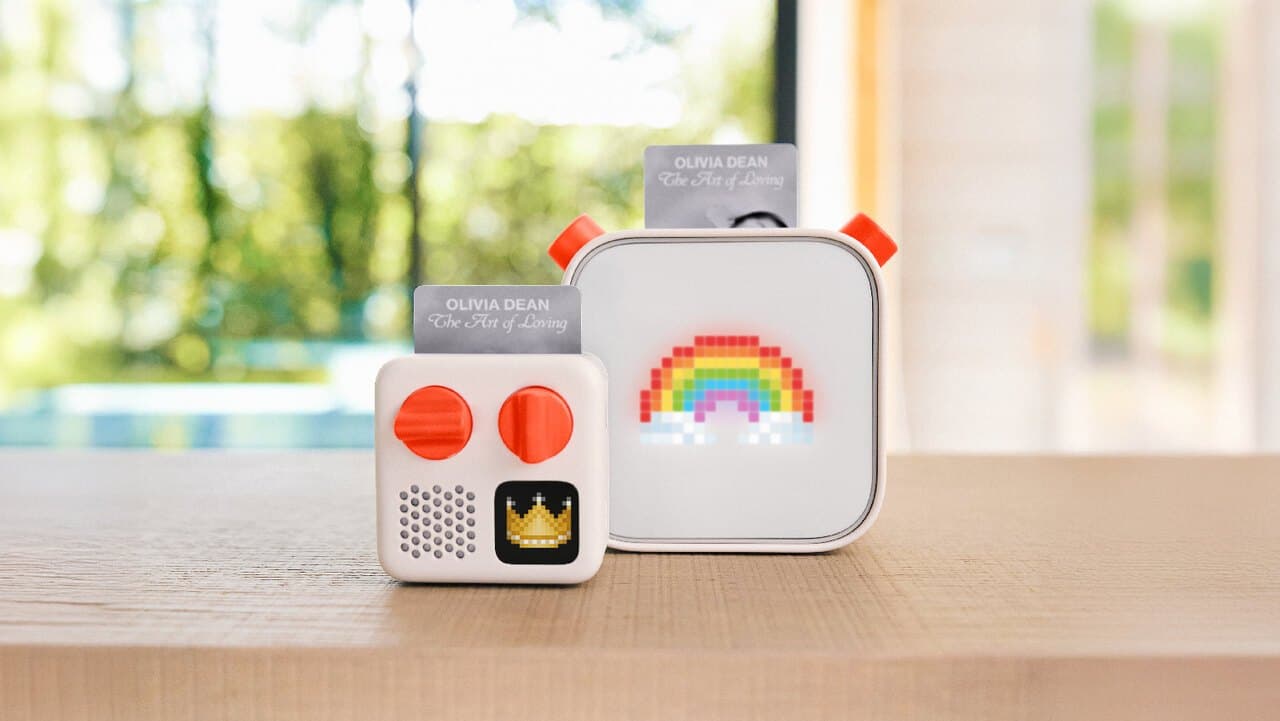
Yoto, in the UK, used to make audio toys for children. You slot a piece of plastic the size of a credit card into a screenless cube speaker and music plays. There is no audio on the card, only a number, which the device reads before fetching the music separately. Since signing a catalog deal with Universal in 2023, Queen, David Bowie and Elton John have all come out on these cards. The Elton John edition took four of his stage costumes, rendered them as illustrations, and pressed 1,000 copies of each design.
From October 2, products like these count as albums on Billboard.
October 2
Billboard and Luminate are introducing a sales format called the smart media album, starting with the tracking week of October 2, 2026. It is the first time in forty years, since the CD arrived in the mid-1980s, that Billboard has added a category to physical.
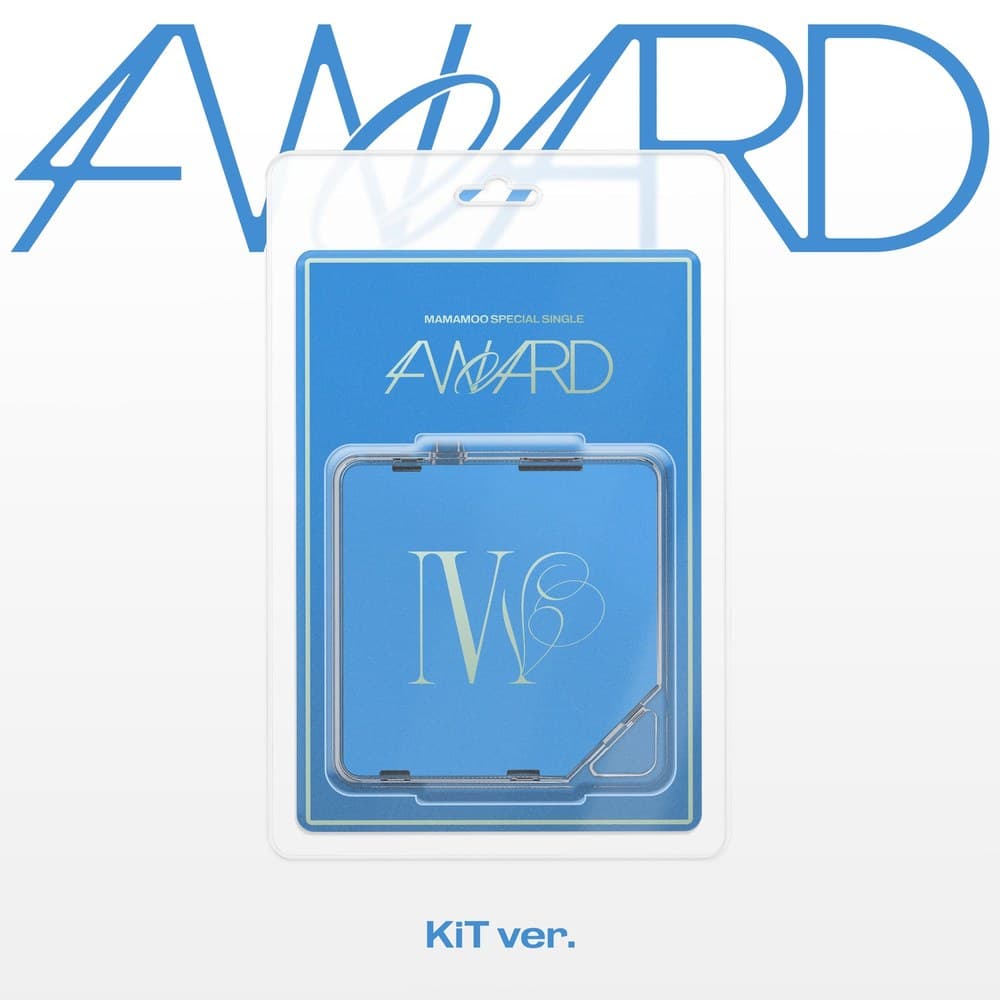
The name covers any product that uses an NFC chip, a QR code, RFID or an ultrasonic signal to unlock music and extra content. Card, record, cassette, packaging box, a tag sewn into clothing: the form does not matter. KiT albums and Weverse Albums land squarely inside the definition, and both appear among the seven vendors Luminate has approved.
| Approved vendor | Country | Typical form |
|---|---|---|
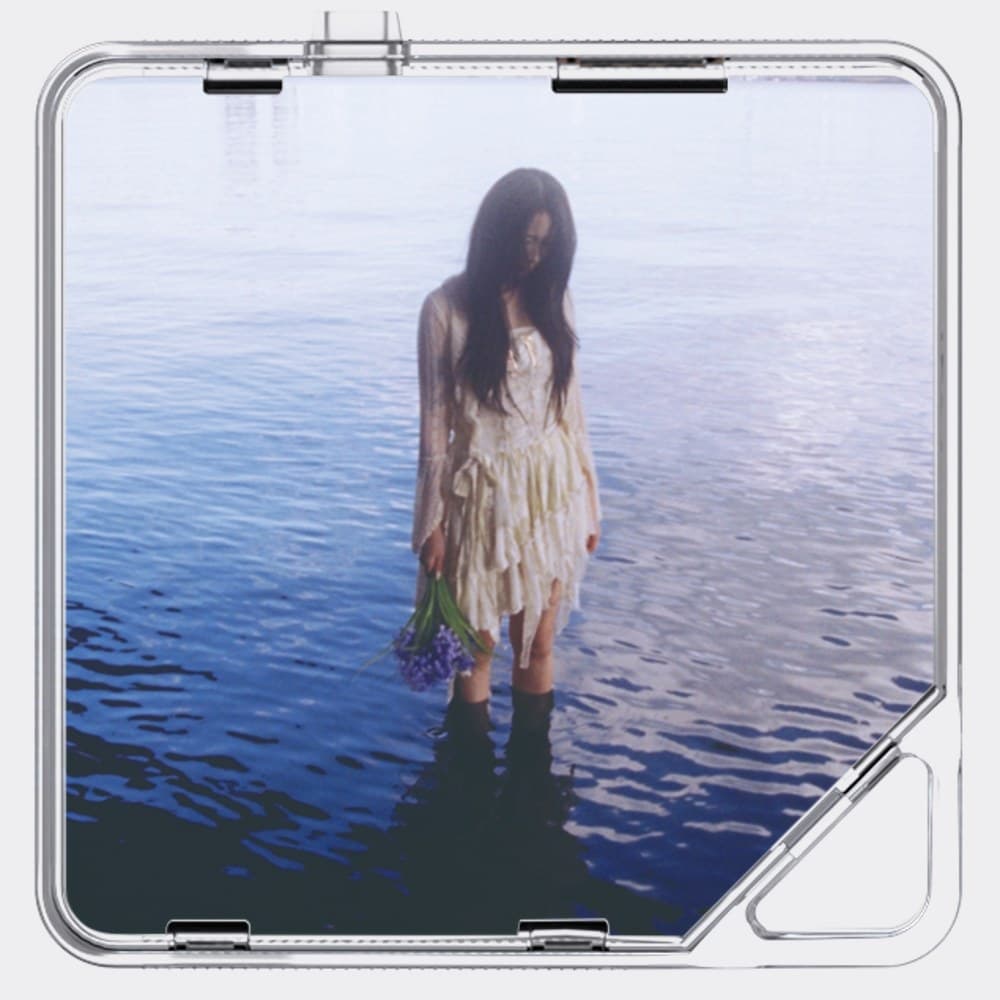
| KiTbetter | Korea (MUZLIVE) | Collectible boxes and photocards, dedicated player |
| Weverse | Korea (Weverse Company) | Card format, tied to a fan account |
| Serenade | UK (Vinyl Group) | Mini CD, mini cassette, lanyard, garment tag |
| ZATAP | Switzerland | No form limit. Clothing, scarves, shoes |
| IYK | US | Stickers, apparel, lanyards, wristbands |
| Yoto | UK | Cards for a dedicated player |
| Totem | Could not verify | No public information |
MUZLIVE shipped KiT in 2018. Weverse Company shipped Weverse Album in 2021. Billboard got around to building the same column eight years later, and put two Korean companies on the list.
Billboard Counts It as Half
Billboard counts it as one album on the pure sales charts and as half on the Billboard 200. An album gets credit for at most two UPC versions, and the product has to be made and sold through a vendor Luminate has approved.
Silvio Pietroluongo, Billboard's senior vice president of charts, said in the announcement that taking the format in would not change the counting standards that have held the charts up. Take it, but discount it. Whether the people buying actually listen to the music is a question Billboard has not settled either.
The two-version clause has an obvious target. It aims at the practice of multiplying photocard variants so the same album gets bought over and over.
What Circle Chart Requires
Circle Chart has had the same column for years now. It is called the platform album, and thirteen media are approved: SMC, miniRecord, Nemo, Weverse, POCA, META, PLVE, Musicon, LICON, EVER ver, Rising Album, STAYG, hellolive.

To get a new medium onto that list you have to satisfy six requirements.
- It must be distributed through a distributor's physical supply chain
- It must be an official release from a label
- The medium must print the track information
- The music must be accessible through the physical medium
- It must contain the released recordings
- The same tracklist counts as one album, but different media are counted separately
The fourth requirement carries three sub-clauses. Product design turns on those. Downloading by the general public must not be permitted, playback must work offline, and the access "must not be a one-time method; the medium must remain necessary when reconnecting, such as after a change of device." A product where you type in a serial code once and are done does not count as an album, which means that even after you switch phones the object itself has to be there to open it. None of these are conditions you can retrofit once the thing is built.
The Korea Music Content Association charges no review fee. The Circle Chart FAQ states that a new platform medium is "approved after a sample is checked for conformity with the criteria above." Send in the physical object and the association opens it up and decides.
The US puts no conditions on the product itself. Instead Luminate approved seven vendors and takes submissions only through that door. In Korea a new company can get through by lining up a distributor and meeting the requirements. In the US you either get onto the list of seven or sign with one of them.
Oricon Took It Back Out After Two Years
Japan got music cards in December 2012. You bought a card, had it activated at a convenience store register, and downloaded the music from the site printed on the back. Avex put out the first release with an EXILE best-of, and Oricon folded the sales into its CD counts and put them on the chart.
Oricon pulled them back out two years and four months later. From the tracking week of April 6, 2015, it would not count them however they were sold. The share of buyers who actually downloaded was too low to treat the thing as a music package. At a few hundred yen apiece it was easy for one person to buy them in bulk. Oricon concluded this was "not appropriate in light of the validity of the ranking and of general social norms."
The Japanese market was in the middle of a variant boom at the time. Sexy Zone put out 33 versions in December 2014. NMB48 announced 62 and pulled back. SKE48 released 58 the following March. Oricon's president Hisashi Koike told the Asahi Shimbun that selling cards that differ only in their cover art leads to an excessive burden on users. From 2015 Oricon also changed its rules to count only products priced at 250 yen or more including tax. Billboard's two-UPC cap looks like a clause learned from this.
There is no card format on Oricon's current list of countable media. Instead CDs, cassettes and analog releases are combined into one album regardless of medium, and a product bundling a CD with a ticket perk only counts if the CD is also sold on its own.
Price structure sits behind Japan's decision to push cheap products off the chart. Article 23, paragraph 4 of the Antimonopoly Act puts music CDs among the six categories allowed to maintain resale prices, and Japanese CD retail runs as high as 2.1 times a monthly streaming subscription. In the US, UK and Germany the ratio sits between 0.9 and 1.3.
The Seal Doesn't Care What Format It Is
Separately from whether a chart counts it, pressing a record puts you through one more rights settlement. You have to attach the seal KOMCA issues before the product ships. The trade calls it an inji or inji fee, but the regulation's name for it is jeungji. The basis is not a clause of the Copyright Act. It sits in Article 8, paragraph 3 of KOMCA's own license terms.
Where a musical work is to be reproduced and distributed as a sound recording, video medium, publication or the like, two copies of the licensed product shall be deposited as samples before shipment, and the seal issued by the association shall be affixed at the designated position on each reproduction before shipment.
The terms say only "each reproduction." They do not ask whether it is a CD, an LP or a card. One reproduction counts as one, and the rate, 9% of the supply price, attaches to price rather than to format. A new format arrives and nobody has to redesign the settlement system.
What did get murky is the base the rate applies to. The seal attaches to the supply price, and when an album ships as a doll, a keyring or a figure, nobody has defined how much of that is the record. The industry raised this publicly at the end of 2024 and the Korea Copyright Commission is reviewing a standard.
What It Costs to Make One
Only two of the seven approved vendors publish their prices.
KiTbetter, MUZLIVE's US arm, offers two routes. Consignment has no minimum quantity and the company carries the inventory risk. You hand over production, storage, shipping to 200 countries, payments and customer support, and the artist takes at least five dollars per album. Buying direct starts at 30 units, at 9.90 dollars each for 30 and 7.90 for 300. Symphonic distribution clients order straight from their own dashboard.
Serenade's minimum order for a mini cassette is 500 units at 4.99 pounds each. VAT, shipping and an artwork setup fee come on top, so you are out more than 2,500 pounds before you start. The company says independent artists are among its customers.
ZATAP and IYK do not publish prices. ZATAP's site offers a demo booking button and IYK takes waitlist signups. Both list Universal, Sony, Warner, Hugo Boss and Real Madrid as references.
The indie music outlet Making a Scene worked out the real costs over two articles. Plan the first run at around 100 units and measure real demand with preorders first, they wrote, because selling an 11-dollar landed cost at 15 dollars leaves you with work rather than money. They closed by noting that giving up on Billboard counting opens up far more options.
You can in fact release physical with no inventory and no approved vendor. elasticStage, in the UK, presses vinyl one copy at a time as orders come in. No minimums, no upfront spend, and SoundCloud in 2025 and Amuse in 2026 have both wired the company into their own distribution. It just does not count toward the charts.
How Many Years Does It Stay Open
The Korea Consumer Agency surveyed K-pop fans in 2023. Among fans active in the previous two years, 5.7% actually listened to the CD. The share who said they bought the album to collect the merchandise was 52.7%. A single album carried 7.8 merchandise items on average, about a third of them random. One album contained 78 photocard variants, and collecting the full set required buying at least 13 copies. In Luminate's research, half of the people who had bought vinyl in the past year owned a record player.
Oricon took issue with download rates in 2015, but measured by playback rates, neither CD buyers nor vinyl buyers clear half. The Consumer Agency asked about CDs, though, so the number does not transfer cleanly to platform albums.
Luminate's definition of the smart media album requires that the digital content the object unlocks cannot be downloaded or transferred to anyone else. Once it drops out as a file, it stops counting as an album.
The cost of that shows up in the Korean cases. Weverse Album's QR verification period runs one year from release regardless of when you bought it, so a fan who picks one up secondhand two years later gets the physical object and no music. Weverse Shop ended in-app QR scanning in April 2024 with no grace period, and some of the rewards hanging off it disappeared without compensation. On a KiT album, playback stops when the internal lithium cell dies, and you have to open the case and replace it yourself. Ripping for personal listening is blocked.
App store ratings sit at 4.5 for KiT Player and 2.1 for Weverse Albums. The people who marked it down tend to write the same complaints. You log in again every time you open it, you scan the QR again, and albums you bought years ago do not show up in the library.
The market grew anyway. On Yes24's numbers, platform album revenue grew 64.2% in 2022, 60.4% in 2023 and 46.2% in the first half of 2024, against 2.5% for CDs over the same period. Buyers under ten went from a single-digit share to over 10%.
K-pop has taken years of criticism over album packaging waste, and the platform album is close to a real answer there. POCA says its format cuts excess packaging volume by more than 80% against a standard album. It is light, so overseas shipping costs less. Fans also get more content than a CD carries.
Still, a CD thirty years old makes a sound when you put it in a player. An access-based format opens only while the service runs, no regulation anywhere states how long that service lasts, and the person who bought it carries the difference.
Tiny Vinyl
The RIAA in the US counts vinyl, CD and other physical separately. Other physical jumped 44.9% in the first half of 2026 to reach 2.3% of all physical revenue. CD singles, vinyl singles, cassettes, SACD and DVD-Audio are mixed together in there, and the RIAA has not published a breakdown since 2019. So nobody knows what grew in there.
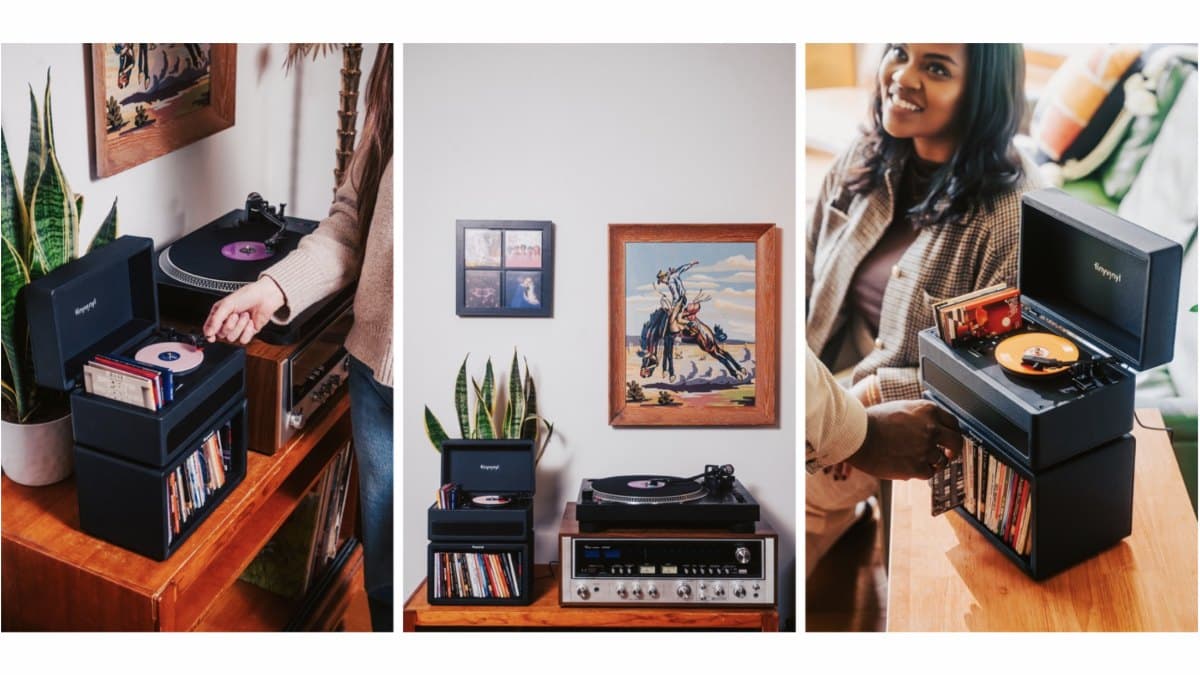
Some products reached the shelf with no chip and no app at all. Tiny Vinyl is four inches across, spins at 33 and a third, and holds two songs at four minutes a side. At 15 grams it weighs a tenth of a 12-inch LP. Nashville Record Pressing, a subsidiary of GZ Media, the largest vinyl plant in the world, presses them, and Target sells them exclusively at 14.99 dollars. The dedicated player is 49.99 and the storage crate is 19.99.
Since it went nationwide in the US in November 2025, more than 40 artists have put out a Tiny Vinyl. The company moved into Europe this year, and teamed up with hello82 for an ATEEZ release.
The 12-inch side is a different story. Pressing plants worldwide have filled up to around 85% capacity. Order now and you wait six to nine months. A four-inch uses a tenth of the material, so you get it back that much sooner, and you can press a single and hang it on a mass retailer's shelf. It runs on turntables people already own, so technically there is nothing new here at all.
If You're Preparing for This
Neither Billboard's rules nor Circle Chart's requirements ask how many years the product stays open. Whoever builds it has to answer that on their own.
Lock it at the design stage. The three sub-clauses of the Circle requirements cannot be changed once the thing is built. Playable offline, not freely downloadable, and still required on the device after a phone change. If you are looking at the US as well, the vendor contract comes first.
Count the access period from the purchase date. Weverse Album measures its year from the release date, which is why a fan who buys secondhand cannot open the music. Switch to the purchase date, or drop the limit. It costs almost nothing.
Write down now what happens when the service ends. No terms of service anywhere covers this today. Give a few months' notice and say what becomes of the content already unlocked, and a secondhand buyer can put a price on it.
Keep masters and visual assets outside the vendor's system. If the vendor closes, you can only reissue what your own company still holds.
Korean companies have already answered the packaging question and the distribution one. Nobody is solving the problem of these albums' uncertain lifespan. If a company printed a guaranteed ten-year access period on the back of a smart media album, wouldn't the person buying it secondhand five years later choose that one?
Read next
Who Turns On the Lightstick You Paid For?
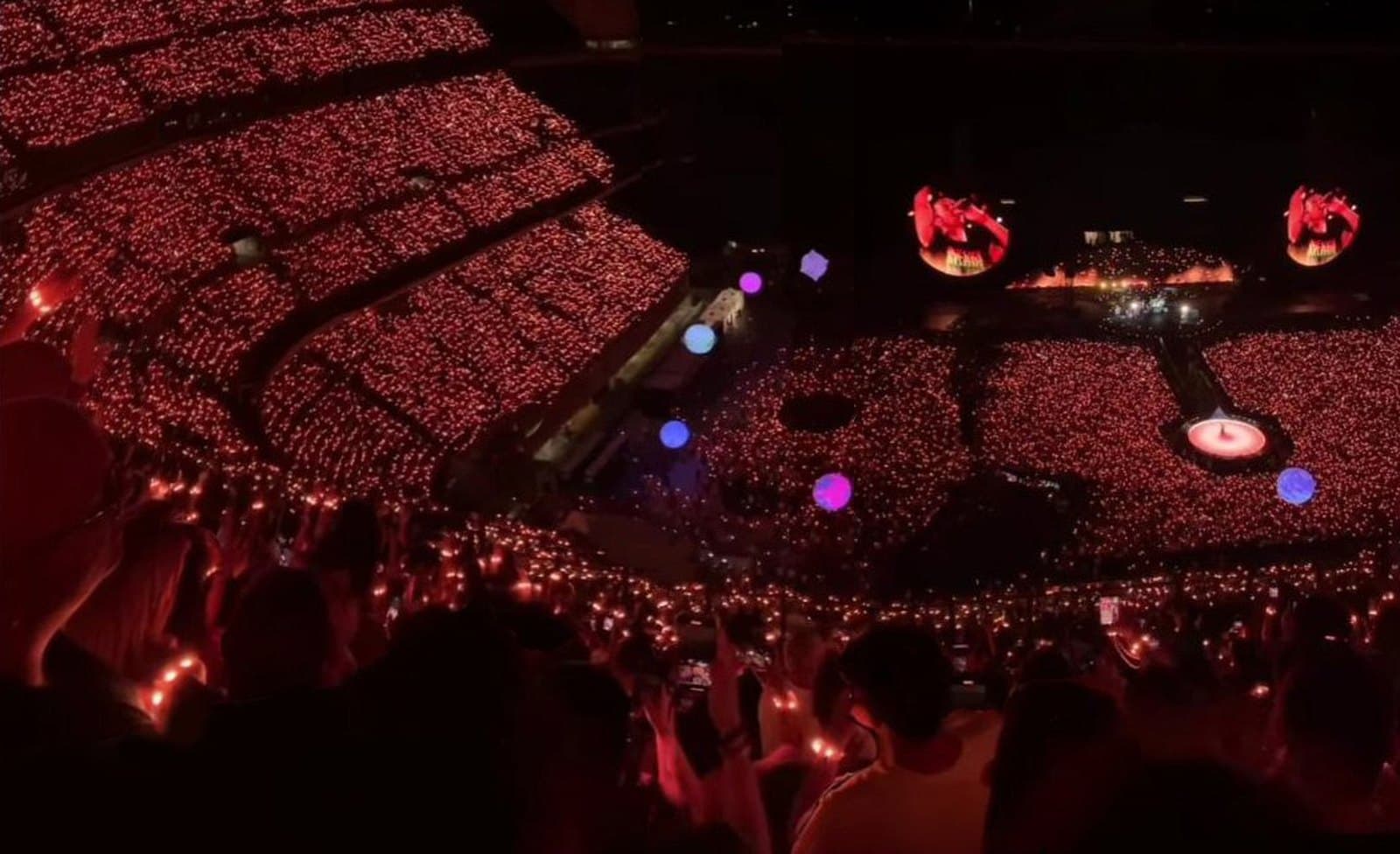
A fan pays 40,000 to 50,000 won for a lightstick; a Coldplay crowd gets an LED band on the way in. The picture in the stands looks the same, but a different party covers the hardware. Depending on the show you may also have to go through the chore of pairing your seat. Through a six-year lightstick patent fight and the Coldplay tour, let's look at who buys the device, who turns the LED on, and who pays for it.

The Fans Built It First
Fans made sped-up edits a trend, and the labels caught up by releasing them officially. Now the act of changing the music is itself becoming something fans pay for. What Hook, Suno and Spotify charge the fan, what they owe the rights holder and on what basis, and whose permission you need first to build the same thing in Korea.

Previz Comes After the Prompt
Three things landed in the first week of September. GPT-6 Astra built a house in Blender and moved it into Unreal, Higgsfield bolted a 3D workspace on top, and Images 2.5 got better at holding a reference image steady. String them together and the order of AI video production changes. Here is what is confirmed and what is still a vendor claim.