Who Turns On the Lightstick You Paid For?
A fan pays 40,000 to 50,000 won for a lightstick; a Coldplay crowd gets an LED band on the way in. The picture in the stands looks the same, but a different party covers the hardware. Depending on the show you may also have to go through the chore of pairing your seat. Through a six-year lightstick patent fight and the Coldplay tour, let's look at who buys the device, who turns the LED on, and who pays for it.
In the arena the lights the crowd is holding draw an enormous heart. At some shows the official lightstick a fan paid tens of thousands of won for makes that picture. At others the LED wristband handed out at the door does the same job. The finished image looks alike, but the person who supplies the device, the way the lights find their position, and where the object ends up after the show are all different.
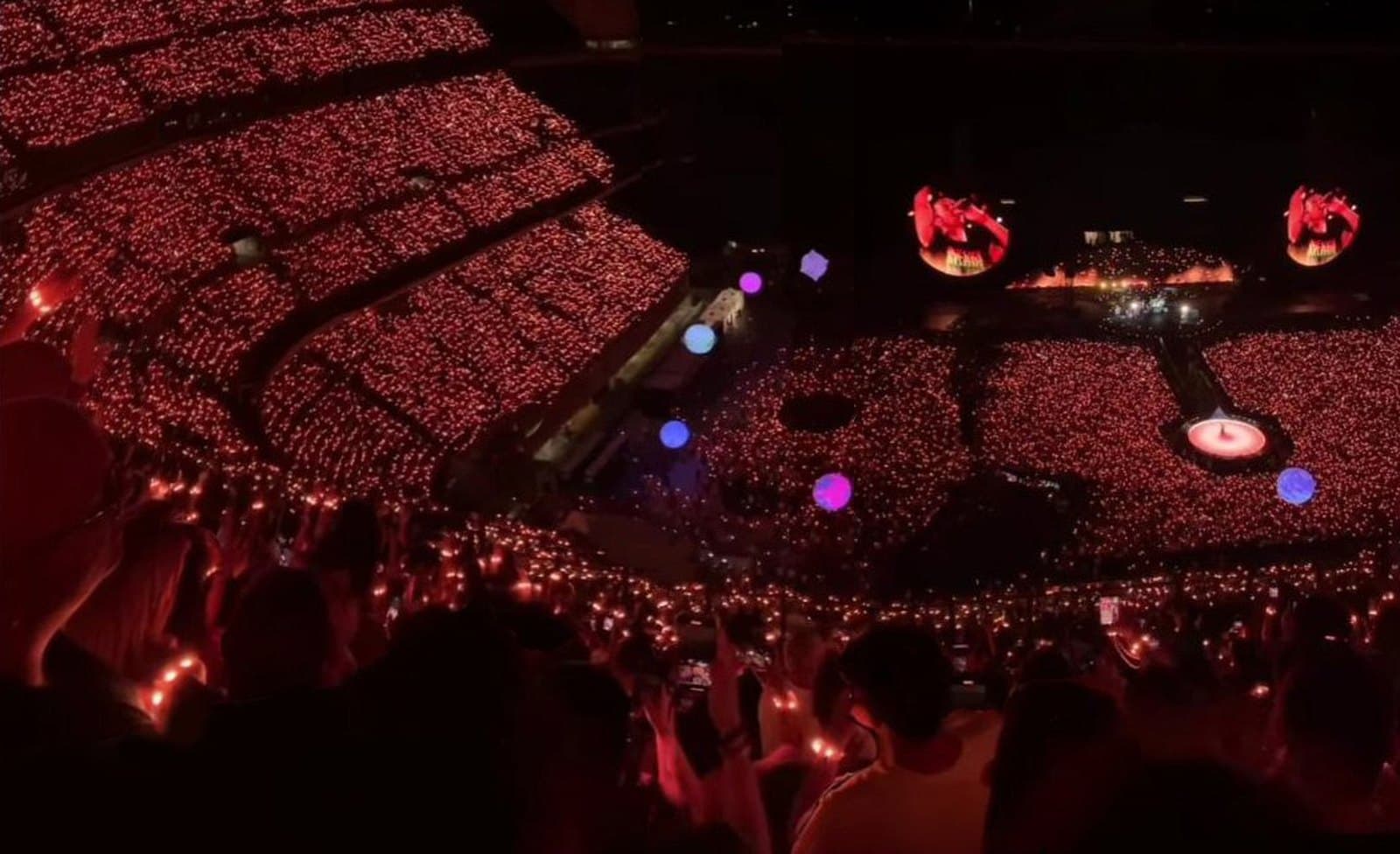
The split is not Korea versus everywhere else, either. Korean official lightsticks run without seat registration at some shows, and the overseas vendors control house lights over radio frequency (RF) as well as infrared. Why the control method matters shows up in a Korean patent case that closed in June 2026. To read audience lighting as a business you have to look at device ownership, position sensing, show control and who carries the cost, all together.
Same Picture, Different Arithmetic
Controlling tens of thousands of lights does not mean the controller addresses each lightstick one at a time. You can broadcast a command to the whole venue and still have each receiver react differently. The heart of it is how you decide which lights respond.
The wireless lighting control patent 10-1932527, which the Korean company Fanlight asserted against Vitro, covers grouping lighting devices in advance based on a seating chart. Claim 1 also covers linking each device's identifier to seat information on a server. Per the specification, a smart device sends the lighting device identifier, the smart device identifier and the seat information to the server; the server ties that to the seating chart and signals completion to the master device.
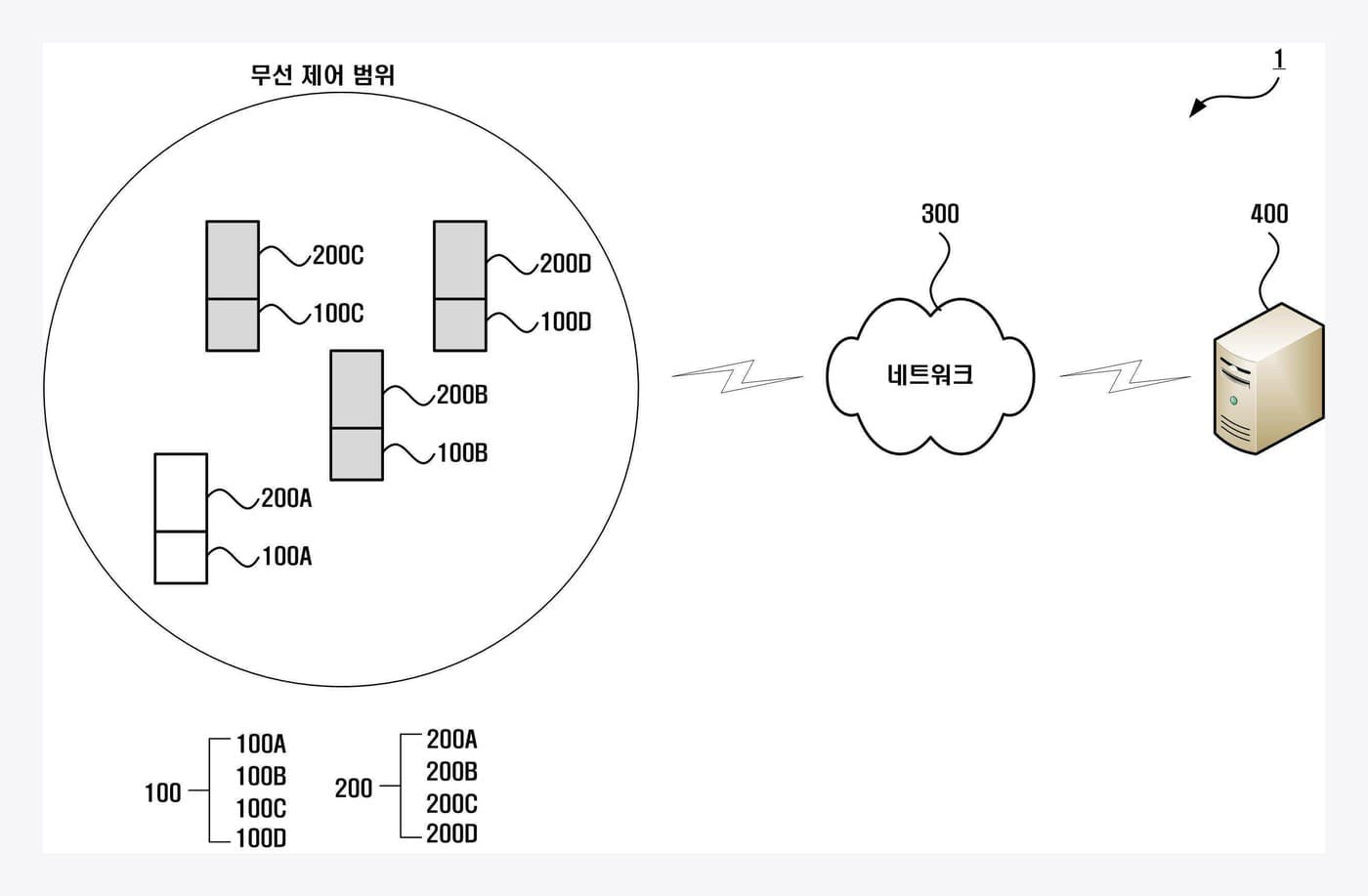
From those linked seats you can set the lightsticks in a given section as group A, then order group A blue and group B red. Commands by group drive many devices at once, but fixing the group layout before the show makes it hard to move separate shapes within one group. Actual expressive range also depends on how finely you divide the groups and what else you combine with them.
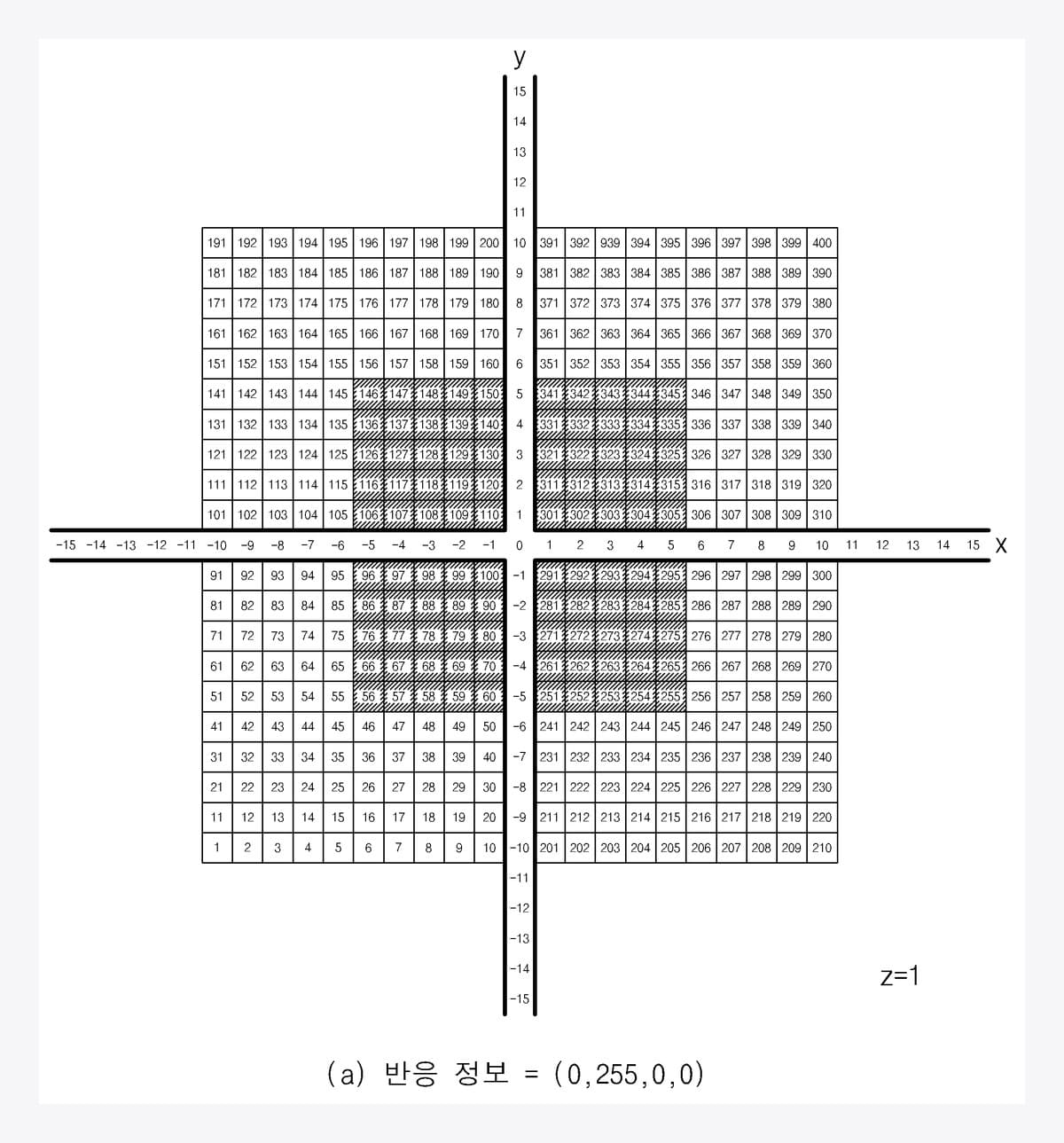
Vitro's patent 10-2079694 works from coordinates mapped to seats plus a calculation rule. It turns venue seats into positions on a virtual plane, and when a command carrying a shape function and a color goes out from the center, each lightstick decides for itself whether to respond based on its own coordinates. Storing coordinates in advance is similar, but the target set for each cue does not have to be a fixed group.
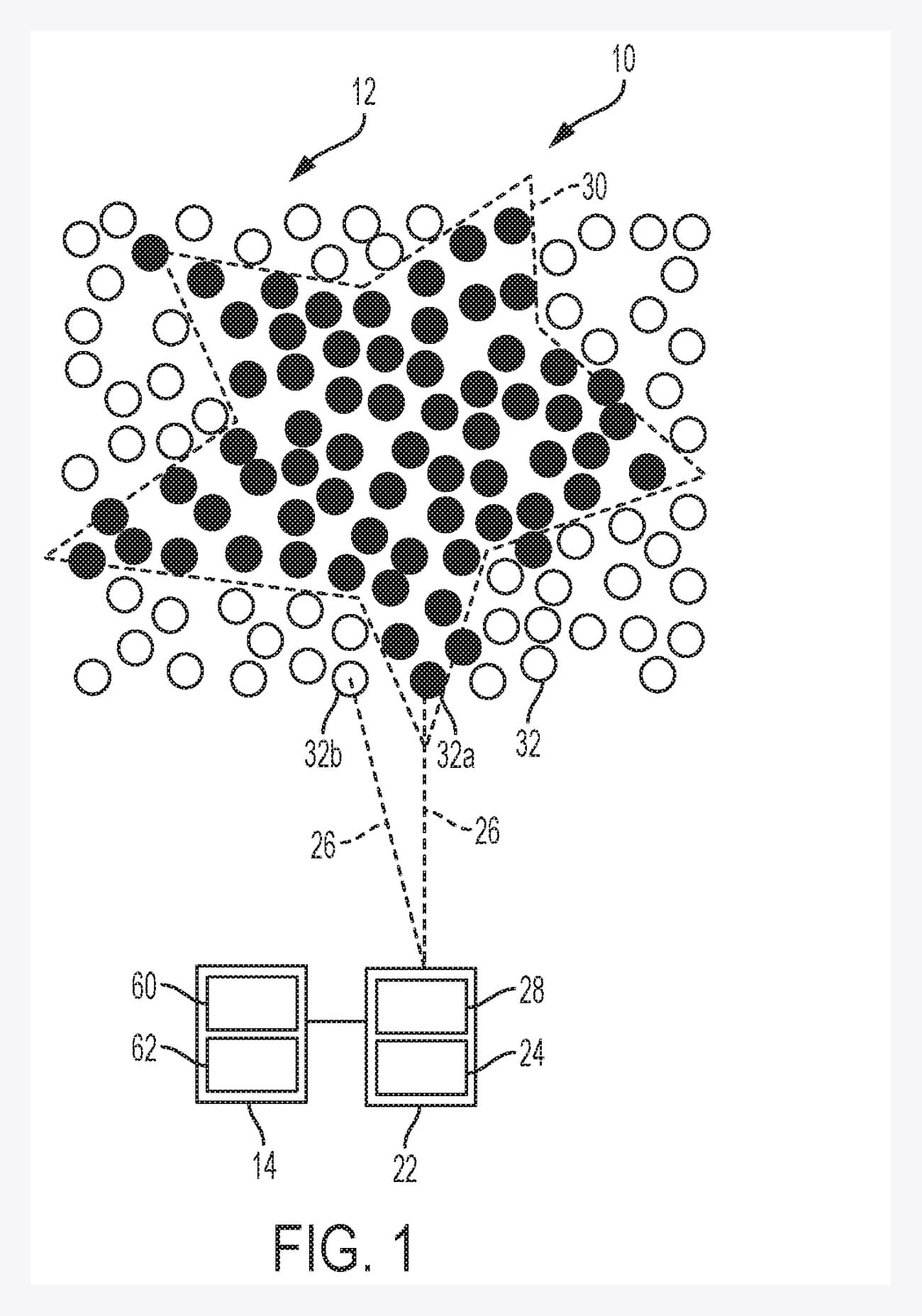
PixMob, abroad, takes another route. Its best-known infrared (IR) approach projects IR into the crowd like a lighting fixture. Wristbands inside the targeted area respond. Move the beam or mask its shape and a moving pattern appears in the stands. Because it relies on the directionality of infrared, nobody has to enter a seat number. PixMob holds US patent US10863607B2 on this.
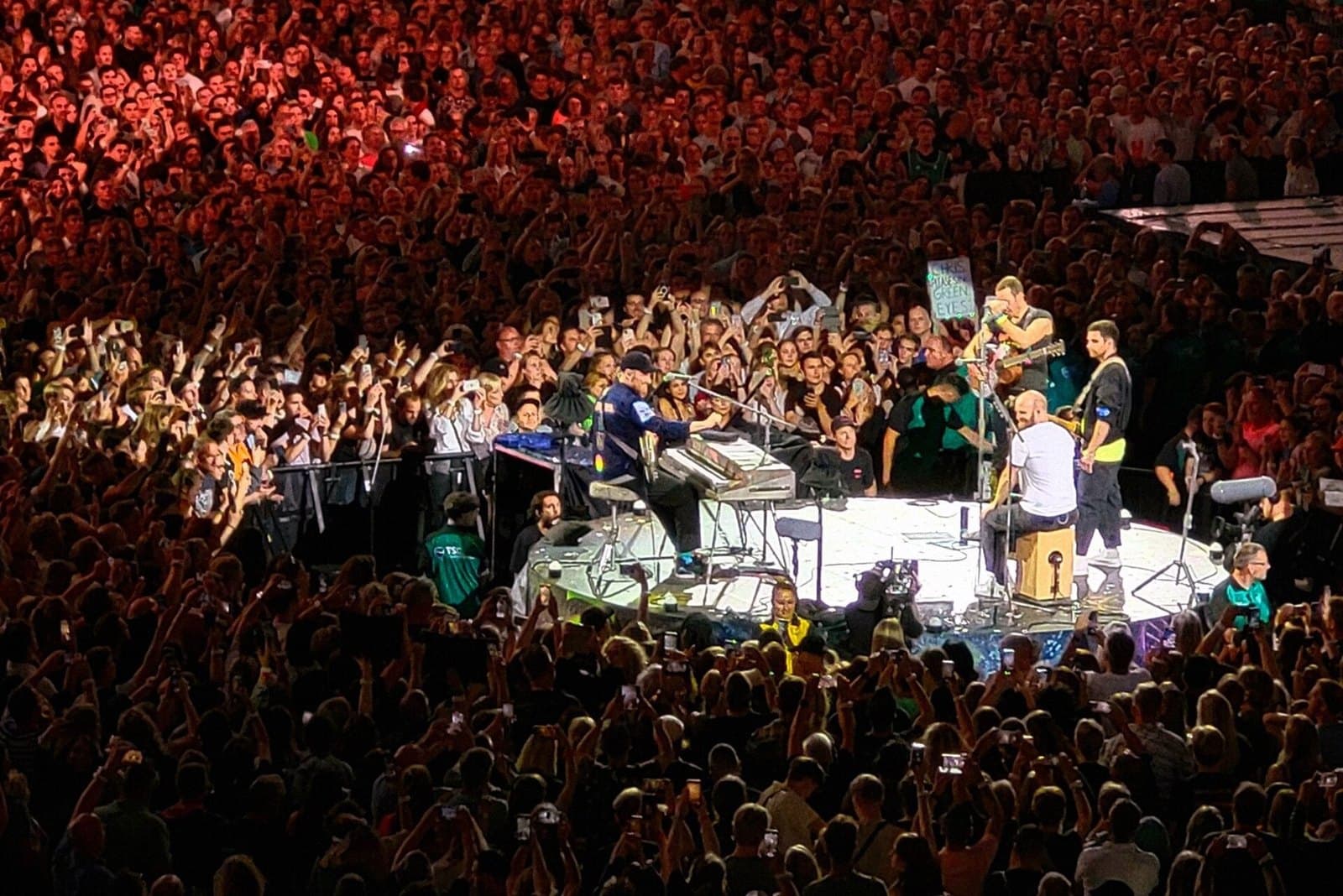
PixMob does not run on infrared alone. It sells the RF Waveband line and documents controlling the crowd by zone over radio. The Coldplay tour used IR projection and wireless group assignment together. The bands do not know their seats when they are handed out, but the company says an IR command aimed at a given section during the show can set their group.
| Method | What decides which lights respond | Does the fan enter seat info | Main considerations |
|---|---|---|---|
| Preset group control | Groups fixed in advance | Varies by implementation and show operations | How much the group boundaries can shift mid-show |
| Coordinate and function control | Stored position values plus the formula in the command | Coordinates must be assigned, but a fan app entry is not the only route | Accuracy of the seat mapping and the show software |
| Infrared spatial control | The space the signal reaches | Generally unnecessary | Emitter placement, obstructions, venue structure |
| RF group control | Wireless commands plus the group set on the device | Depends on the design | How groups get assigned and how precise it is per area |
Linking seat information to a lighting device and having the audience pick a seat in an app are two different things. Fanlight's specification describes pulling seat information automatically by scanning the barcode on a ticket or reading an NFC tag on the seat. That skips the step of showing a seating chart in the app. Lay the devices out seat by seat in identifier order and you can skip audience entry altogether.
A coordinate-based system can also have the operator load positions in advance, and a wireless group setup can still require a fan to use the app for operational reasons. How the lighting is controlled and what the audience has to do on site are two separate things to check, show by show.
The Court Did Not Look at the Finished Picture
The infringement suit Fanlight brought against Vitro ended on June 24, 2026, when the Supreme Court dismissed the appeal. Fanlight had sought an injunction, destruction of product and around 450 million won in damages, and got none of it. The case numbers are Seoul Central District Court 2020Gahap508241 at first instance, Patent Court 2021Na2087 on appeal, and Supreme Court 2024Da228104.
The patent at issue was 10-1932527, the wireless lighting control system. It is a different patent from 10-1939627, which covers show production. The asserted patent is a divisional out of a 2015 parent application; the divisional was filed in May 2017 and registered in December 2018.
The fight turned on the phrase "preset group" in the amended claim 1. Fanlight argued that Vitro's system also ends up with a set of lightsticks showing the same color, so it amounts to group control. Vitro countered that it stores a coordinate value for each seat and computes the cue target as it goes.
The material the Patent Court reviewed included communications data from IU's September 2022 show at Jamsil Olympic Stadium. The court accepted that Vitro's lightsticks store coordinate information for 16 virtual planes rather than groups fixed in advance. It also examined how that produced cues whose boundaries keep changing, like hearts and moving circles. Fanlight, meanwhile, had itself distinguished methods such as driving part of an already-grouped set into a different pattern mid-show from its own claimed scope, during prosecution and amendment.
The Supreme Court confirmed that patent scope is judged by the elements written into the claims. Descriptions and drawings help interpret a claim but cannot widen its scope on their own. Vitro's service lacks some elements of that amended claim, so it does not infringe.
The ruling establishes that Vitro's coordinate-based implementation differs from that amended claim of Fanlight's. What was judged, though, is this particular patent against this particular implementation. A production company bringing in a different technology has to check the seat mapping, the signal structure, the software implementation and the scope of the relevant patents, not just the finished show video.
Seat Pairing Changes From Show to Show
A Korean official lightstick is normally something a fan buys. In 2024 the official sticks from some of the major agencies sold in the 40,000 to 50,000 won range. Glowing in an assigned color together at the show is part of what the product is worth. But connecting the stick to the show works differently every time.
- The 2024 SEVENTEEN fan meeting and the TOMORROW X TOGETHER shows directed fans to pair their seat through the official app. At shows like these a fan has to enter the date and seat correctly to get the full seat-level effect.
- BTS's March 2026 ARIRANG comeback show at Gwanghwamun ran with no seat pairing at all: turn the stick on and it was controlled automatically. It was an outdoor show with a standing section, and the notice said the wireless cue signal has a limited reach. Some dates on that year's European tour were also announced as automatic with no pairing.
- BTS's June 2026 Busan show, on the other hand, required a firmware update for the Ver.4 stick and made seat pairing mandatory. Pairing service booths ran on site. The same artist chose two different operating models three months apart.
- The product documentation for the BTS official Ver.4 stick is likewise built to flag pairing as required or not on a per-show basis. It states that an unpaired device may still be controlled automatically during parts of a show.
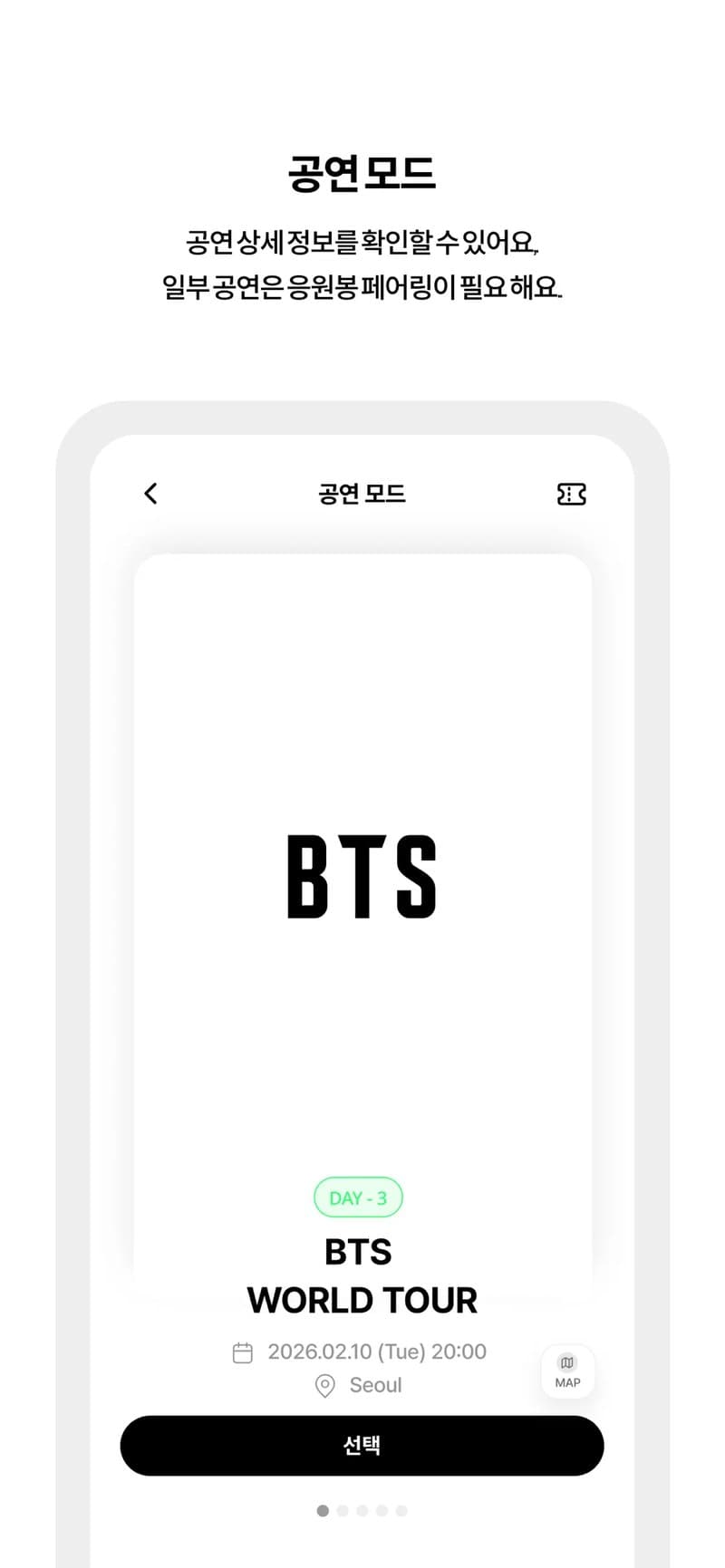
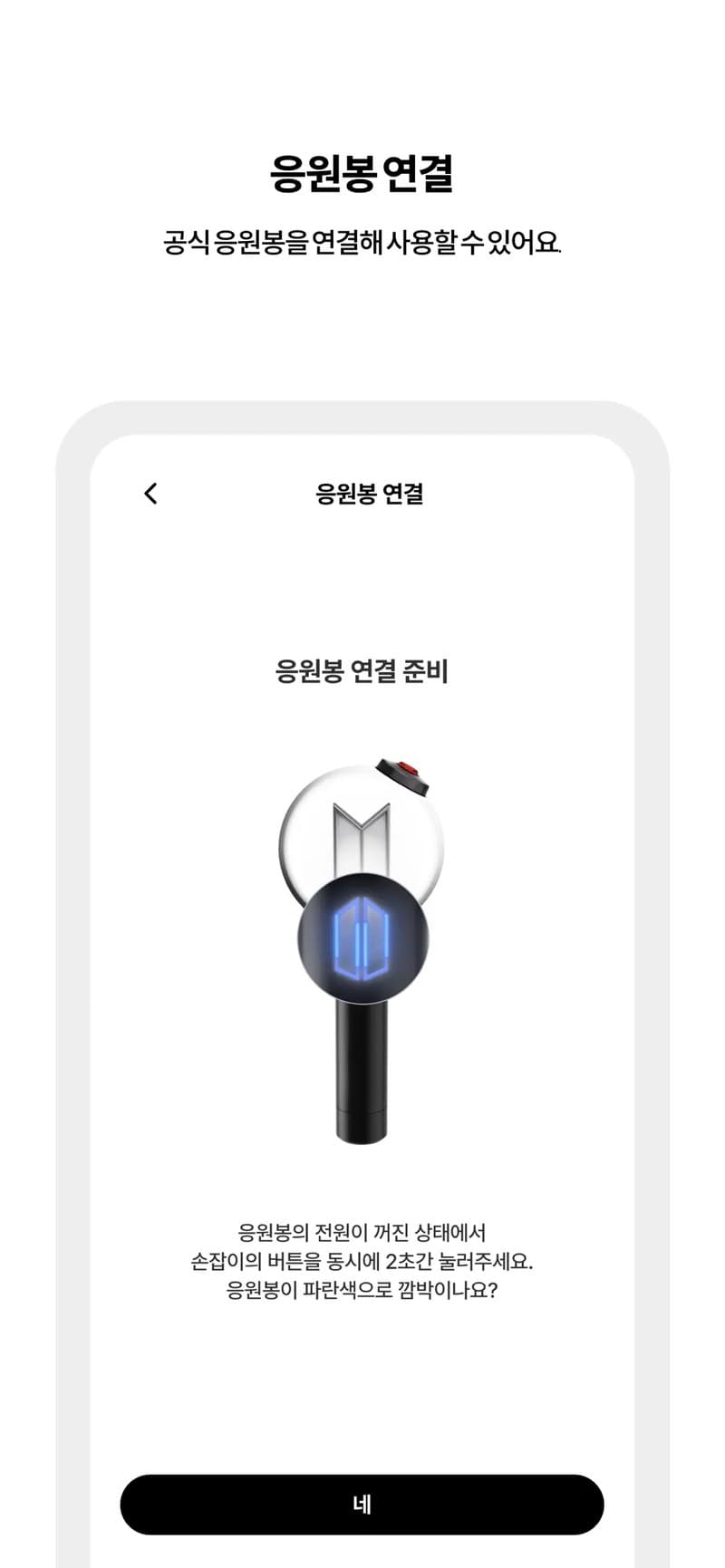
Technology does not force seat pairing. It is an option chosen according to how the show is designed and run. Some shows need registration, some only need the power on. But a notice saying no pairing is required does not guarantee an identical effect at every seat. To know what an audience member will actually see, read the notice for that show.
However the operations differ, the cost structure of an official lightstick does not. The fan buys the device, and for the duration of the official cues the promoter decides the color and the blink. That relationship holds whether or not an app is involved.
Are the Overseas Wristbands Really Free?
Coldplay's Music of the Spheres tour is a good way to understand PixMob. Audiences pick up a dedicated LED band at the venue, wear it, and light up with the show. The tour band PixMob built is a seven-LED product using plant-based materials. In its own case study PixMob put the tour's average return rate at 86%. Korean press reported that a 99% return rate was shown on the screens at the 2025 Goyang Stadium show. The two figures come from different sources and count different things.
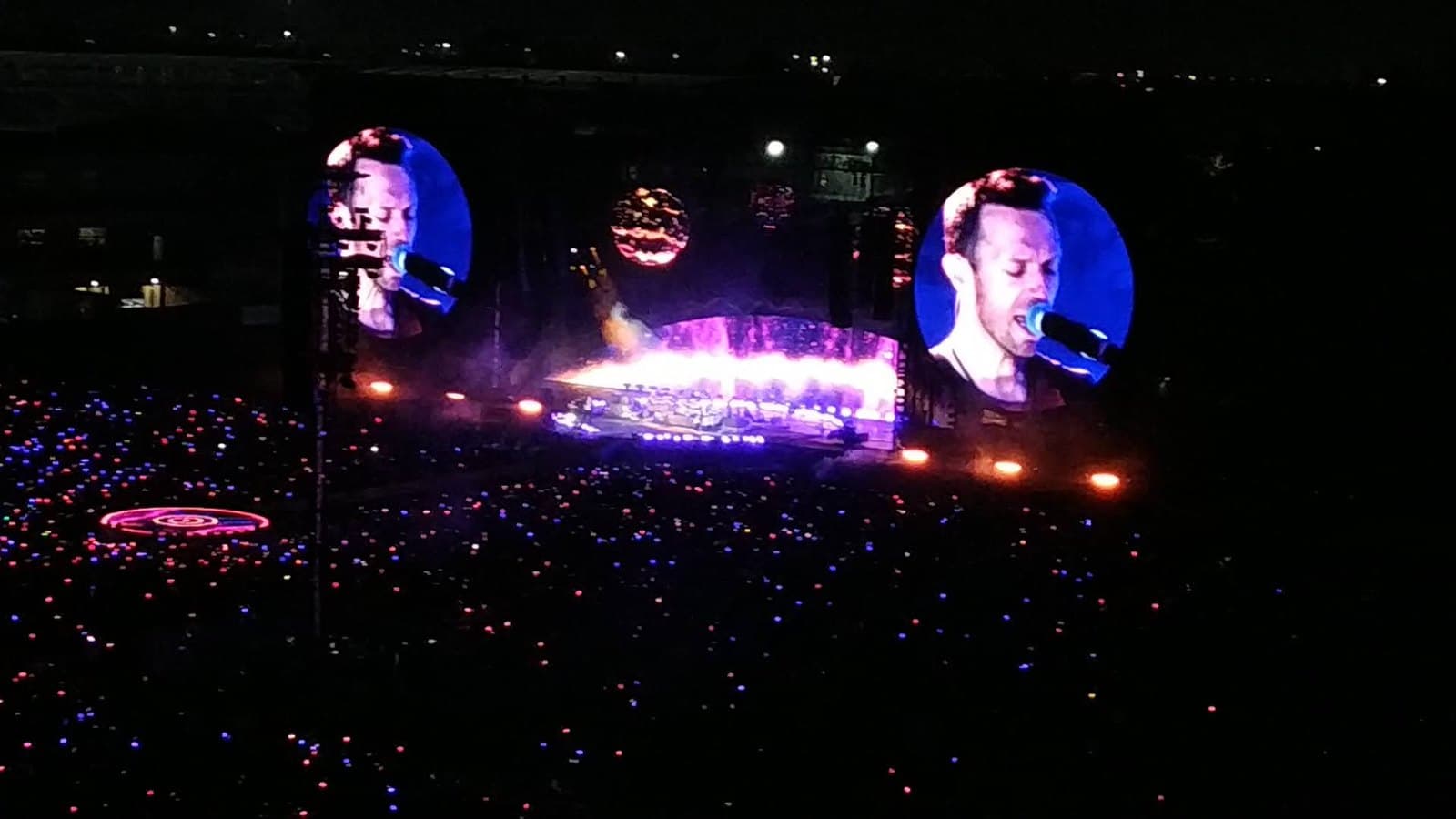
This model does not bill the fan for the wristband. The equipment, the programming, the on-site crew, the handout and the collection are paid out of production budget, ticket sales and sponsorship instead. A different party carries the cost than in the model where fans buy their own.
In 2015 a PixMob representative put the cost, including equipment and support, at roughly 5 to 10 dollars per attendee. That is a reference figure from the time, not a rate that applies to every show now. At small shows in particular the fixed cost of emitters and technical crew weighs heavily. Multiplying an old unit price by 2,000 attendees will not tell you the real budget. You need a quote that covers venue size, the level of the show, transport, install, collection and the terms for reuse.
Margins on Korean official lightsticks are just as hard to get at by subtracting manufacturing cost from retail. Some supplier prices have been reported, but brand fees, distribution commissions, defect and inventory exposure, tooling and development costs, and the split between the parties selling are all unconfirmed. HYBE's 310.6 billion won in second-quarter 2026 MD and licensing revenue covers a range of products and licensing business beyond lightsticks. There is no basis for converting that figure into a market size or a per-unit margin.
To compare the two models on the same terms you have to look at real cost per attendee alongside who carries it.
| Question | Official lightstick, sold | Wristband, handed out |
|---|---|---|
| Who pays for the device first | Mostly the fan | The promoter or a sponsor |
| Who owns it after the show | The fan | Usually run on collection and reuse |
| Value outside the show | Artist symbol, collectible, use at home | Keepsake or reusable, depending on the model |
| Burden on the production | Ownership rate, cross-generation compatibility, pairing guidance | Securing volume, handout, collection, on-site ops |
| Gaps in the effect | Audience members who did not bring one | Not handed out, not worn, broken, lost in collection |
In the sales model a fan keeps the stick after the show and uses it again. But seats belonging to people who did not buy one stay dark. The handout model leans less on existing ownership, at the price of separate operating costs for distribution and collection. PixMob has also developed a module that separates out, so the electronics come back while the strap goes home with the audience. Collection practice varies by show.
Artists and agencies look at expected sales volume and inventory risk before they look at fandom size. Launching an official stick as a product means working out production quantity, sales channels and the share of attendees likely to buy. Handing devices out on site instead of selling them puts the lighting into the production budget. For the same audience size, which one is cheaper depends on how willing fans are to buy and how many shows there are.
Mid-size tours can consider the handout model too. The comparison has to be a total, though: not just the per-attendee band price but emitter rental, technical crew, transport, minimum order quantity, and loss and collection costs. Reusing the same equipment and show across several cities leaves room to spread the fixed cost. For the sales model, start by quoting against expected ownership and on-site demand; for the handout model, against return rate and reuse terms.
Western venues sell stick-shaped merchandise as well. The American rapper Doechii brought out an alligator-shaped lightstick on her 2025 tour. A fan post quoted by Vulture puts the on-site price at 65 dollars before tax, which is worth distinguishing from a standing retail price. PixMob also supplies an AURA Light Stick for K-pop shows.
It Worked at an Outdoor Festival With No Assigned Seats
Infrared lighting gets used at outdoor shows with no assigned seating. Coachella 2023 is the example. PixMob handed out more than 80,000 X3 LED wristbands to the crowd ahead of each of the Bad Bunny and BLACKPINK headline sets. With the audience moving rather than sitting in assigned seats, IR moving heads swept the crowd and built lighting patterns.
With the IR approach you can light the space the signal reaches without knowing a single seat number. Applying it across a large outdoor site means accounting for emitter positions, structures that block the signal, visibility in daylight versus dark, and audience movement. Note that the RFID bands festivals use for entry and payment are a separate device from the LED lighting bands.
If the Lights Fans Bought Become an Ad Screen
There are moves that show where this business model could go. In late 2025 Hanwool Semiconductor announced that a subsidiary would acquire a 55% stake in Vitro for about 11 billion won. Counting the related investors, it described a structure securing 80% for about 16 billion won. In May 2026 it reported Vitro revenue of 40.9 billion won for 2024 and 33.3 billion won for 2025. The revenue target the company set for that year is about 50 billion won. Do not read that as a result.
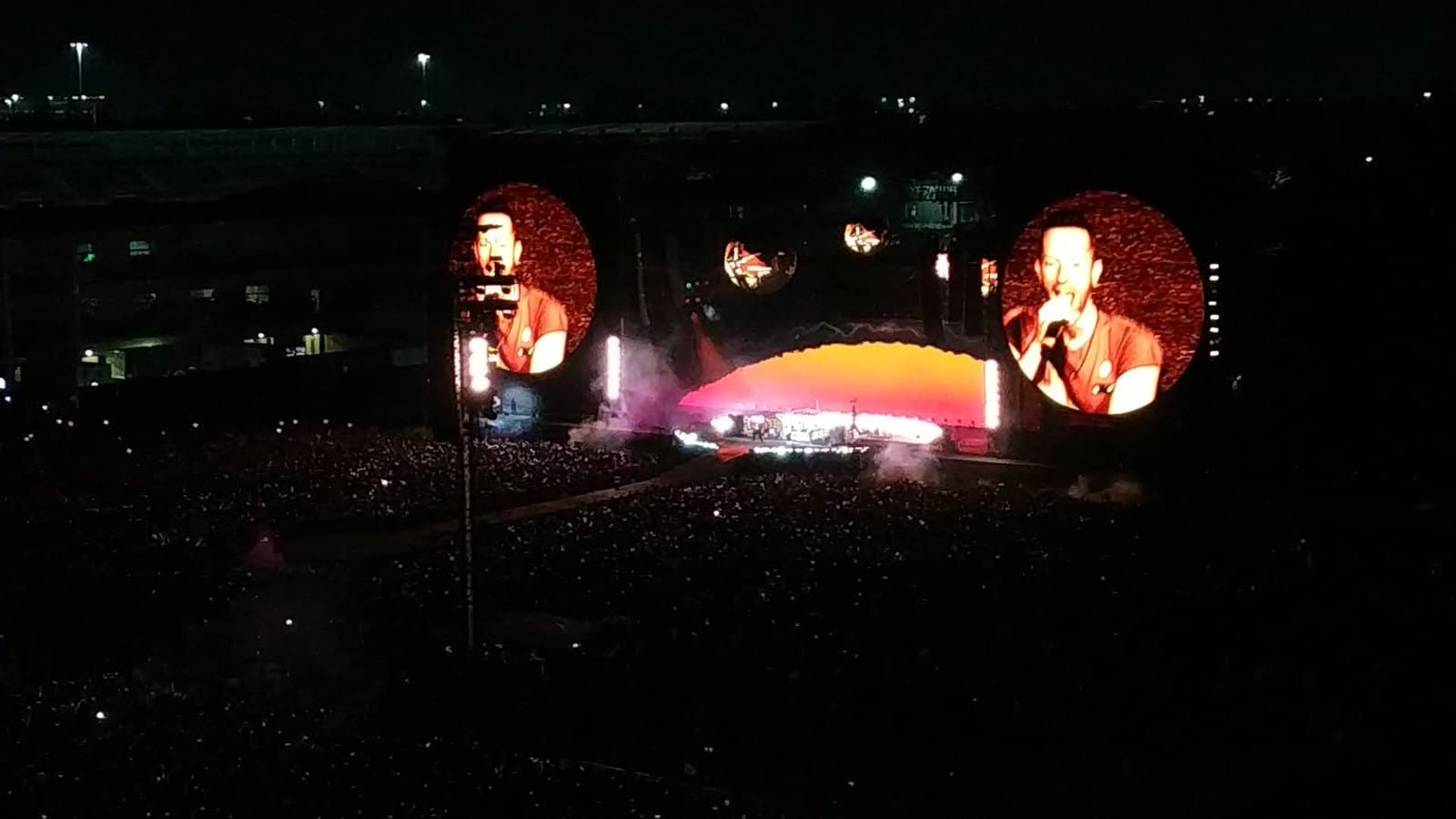
The company has also put forward a sports and live advertising platform, using the lightsticks in the stands as one large screen, as a growth business. The idea is to turn light that used to serve the show into sponsor logos and ad messages. Public materials do not spell out which shows have adopted it or how the ad inventory is sold. For now, read it as a business plan the company announced.
Actually running a business like that raises new questions. When a lightstick a fan bought becomes part of an ad screen, who obtains the audience's consent, and how? How does the ad revenue divide among the agency, the promoter and the technology vendor? The extent to which an artist's image and the fandom experience can be used in advertising needs agreeing too. Control over the show and the terms of commercial use are separate things, and both have to be settled.
Fans control the lights directly in some cases. One project reverse-engineered PixMob's infrared commands and published code for personal control, and an unofficial web app connects to the BTS official stick over Bluetooth to run user-made light shows. Some devices, in other words, find new uses outside the venue. Findings from one device do not describe the certification or encryption of a whole product line, though. And sending unauthorized signals into a venue lighting system is a different matter from reusing your own hardware.
What Should the Design Start From?
A promoter bringing in audience lighting is better off settling the following questions before picking a control vendor.
- What do you want the audience to be left with? Artist merchandise they keep using after the show, or event equipment for that night?
- Who carries the cost? Individual purchases by fans, or a handout paid for out of production budget and sponsorship? Work out the total the audience actually pays, too.
- What picture do you need? Decide first whether all-on or large zoned cues will do, or whether you need finely moving text and shapes.
- How will you learn the seats? Decide whether the audience enters them, whether you set them in bulk on site, or whether you project a signal into the space and skip seat information entirely.
- What about people without a device? Survey ownership of the official stick, or look at rental, on-site handout, or a mix.
- What happens after the show? Set the terms for app support, batteries, firmware compatibility, parts collection, reuse and third-party advertising.
For the artist's side, fan experience matters as much as margin. Selling an official stick means building value for it outside the venue; choosing the handout model means that someone who turned up without a device still gets the same show. Putting outside advertising in the stands calls for a conversation about protecting the artist's image and the fandom experience, not just a contract between promoter and vendor.
Audiences need to be told whether seat pairing is required, whether automatic control works, and which versions of the stick are supported. For batteries and app updates, follow the official notice for that show. And check whether an LED band handed out at the venue comes with collection instructions.
Audience lighting as a business comes down to who buys the device, who controls the light, and who takes the value that comes out of it. Seat registration is one of several operating choices along the way. Technical superiority on its own explains neither the show experience nor the revenue model.
Read next

The Fans Built It First
Fans made sped-up edits a trend, and the labels caught up by releasing them officially. Now the act of changing the music is itself becoming something fans pay for. What Hook, Suno and Spotify charge the fan, what they owe the rights holder and on what basis, and whose permission you need first to build the same thing in Korea.
A Sticker Counts as an Album Now
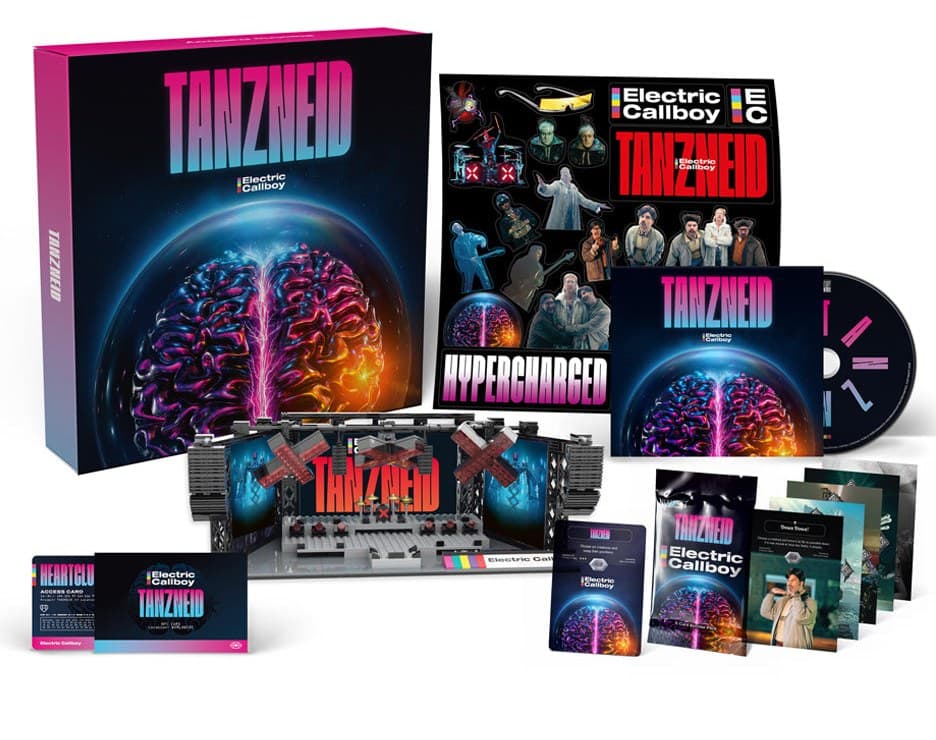
Starting with the October 2 tracking week, Billboard adds a sales format called the smart media album. It is the first new physical category since the CD, forty years ago. Two of the seven vendors Luminate approved are Korean companies. Here is how Circle Chart and Oricon have counted the same object, and what you have to lock down at the design stage if you want to build one.
Previz Comes After the Prompt
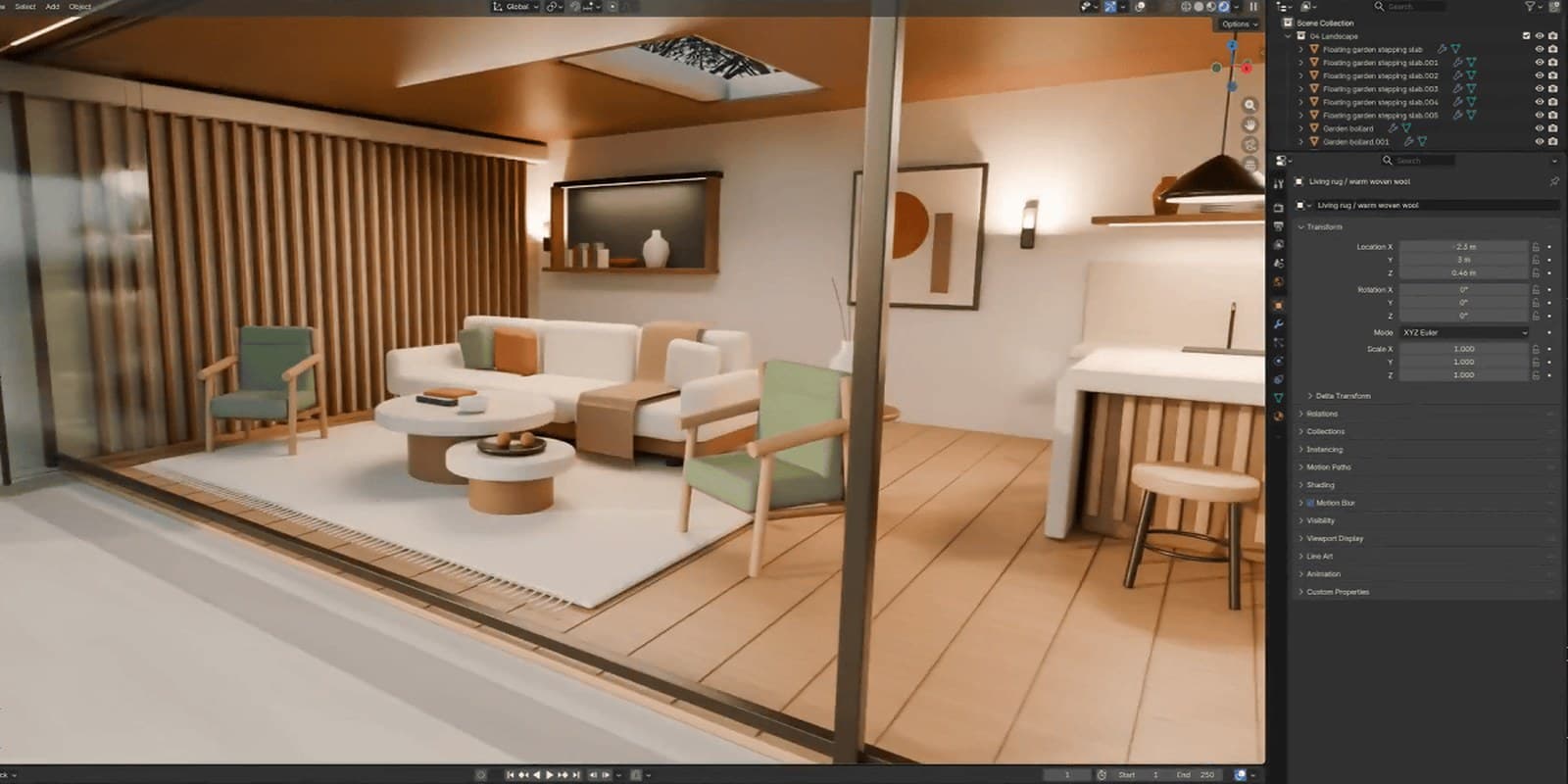
Three things landed in the first week of September. GPT-6 Astra built a house in Blender and moved it into Unreal, Higgsfield bolted a 3D workspace on top, and Images 2.5 got better at holding a reference image steady. String them together and the order of AI video production changes. Here is what is confirmed and what is still a vendor claim.