Report
Planning reports and points of view for industry decision-makers.
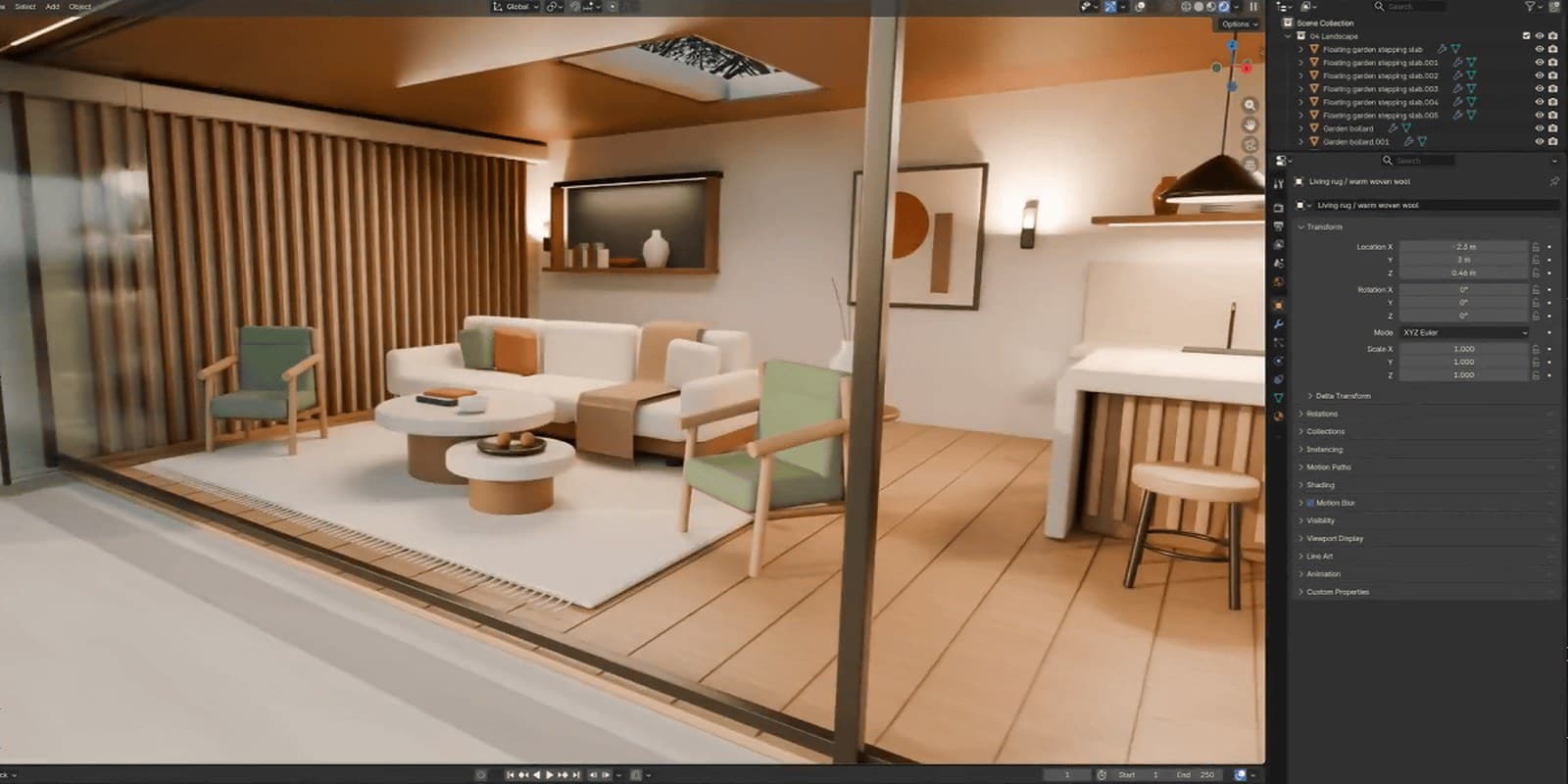
Previz Comes After the Prompt
Three things landed in the first week of September. GPT-6 Astra built a house in Blender and moved it into Unreal, Higgsfield bolted a 3D workspace on top, and Images 2.5 got better at holding a reference image steady. String them together and the order of AI video production changes. Here is what is confirmed and what is still a vendor claim.
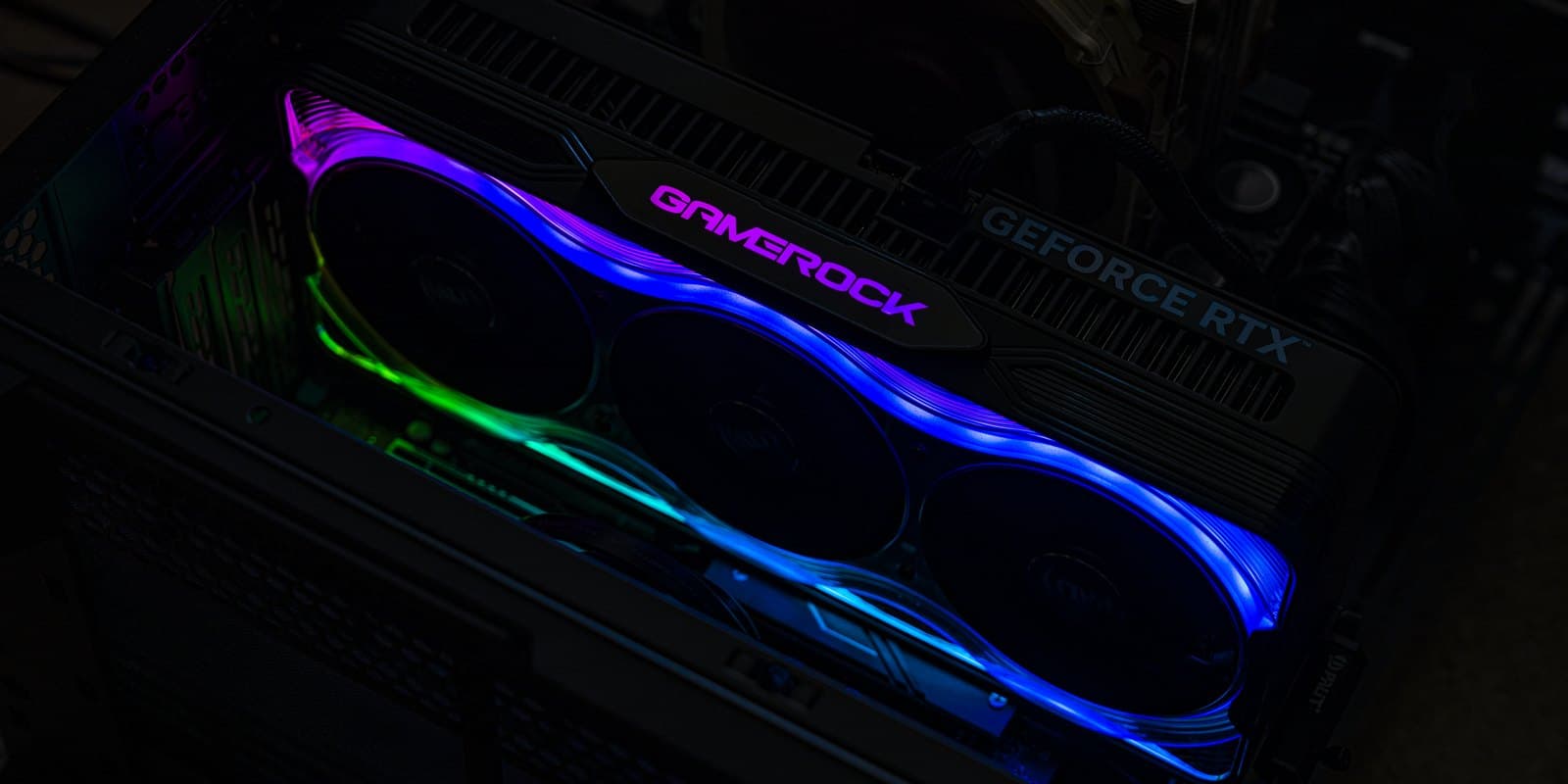
The AI That Never Leaves the Building
Unreleased masters, raw footage, next week's pitch deck. Plenty of companies stall on AI because those files cannot go up to somebody else's server. Here is what one machine in your own office can and cannot do today, and where it lands a year from now.
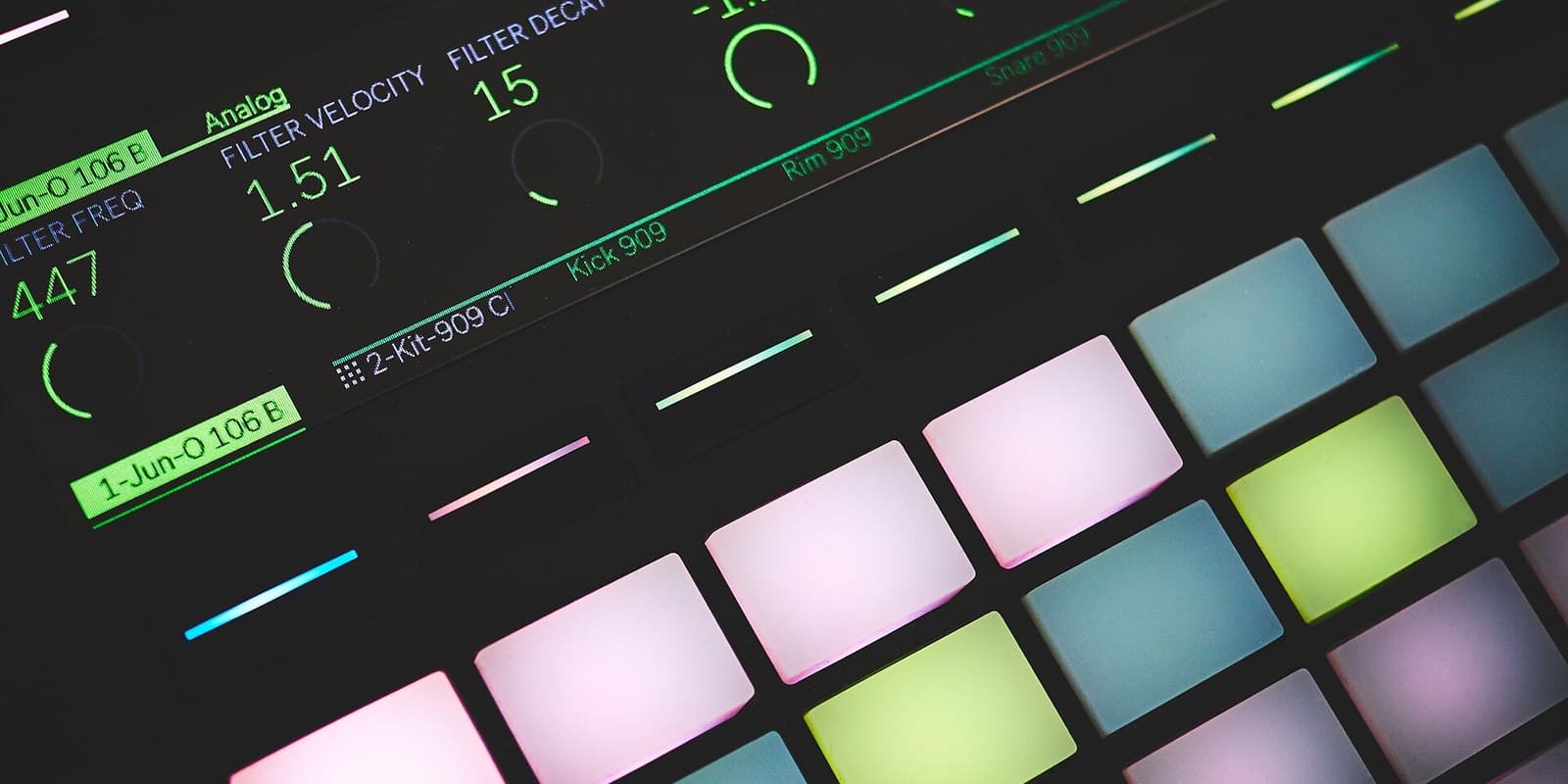
AI Music Is Getting Tagged. Nobody Can Answer the Question
The global recording industry agreed to tag tracks made with AI, and a declaration field showed up on distributor upload screens. It asks whether you sent the master to a web service and whether a chatbot wrote the first draft of the lyrics, and almost nobody remembers. Across five major Korean music services the question is asked three different ways, and three of them do not ask at all. We followed one checkbox down the distribution chain.

We Asked AI About Our Artists
Ten K-pop teams, four questions each, four conditions, 280 responses checked against a verified answer key. Error rates ran from 3.8% to 40%. The widest gap turned up inside a single model: whether it was connected to search mattered more than which model it was.

The Actor Who Never Comes to Set
A story goes around that an unknown bartender got over a million dollars for the use of his face, while Chinese actor group chats fill with notices offering 100 yuan to buy a face. The same likeness right is splitting tens of thousands of times in value. How it became possible, what sets a face's price, and what agencies, artists, and advertisers each need to prepare.
ReportNot the Content AI Makes: the Company AI Runs
That AI makes content is no longer news. The real shift is starting in how agencies run. What you can hand an agent, and where it breaks, from someone who has actually built one.