The AI That Never Leaves the Building
Unreleased masters, raw footage, next week's pitch deck. Plenty of companies stall on AI because those files cannot go up to somebody else's server. Here is what one machine in your own office can and cannot do today, and where it lands a year from now.
A company that makes content runs on files it has not published yet. Unreleased masters, footage before the edit, the deck it presents next week. Everyone knows AI tools take work off the pile, and nobody wants to upload those particular files to somebody else's server. So the adoption meeting stalls in the same place every time.
Over the past year another road opened. You put the model on a machine inside the office and use it there. What follows is how far that one machine gets you.
The asset is most valuable before it ships
The problem crosses industries. An ad agency is sitting on pitch boards, a game studio on an unannounced build and its art, a webtoon studio on pages, a broadcaster on a cut, an in-house brand team on the launch campaign.
What makes those files expensive is that the company controls the timing. If a comeback single leaks three days before release, the teaser, the pre-orders, and the music-show slot all fire into nothing. A year of planning goes sideways and nothing brings it back.
Up to now the terms of service have carried the worry. It is true that the major vendors will put in writing that they do not train on your inputs. But the scene a practitioner pictures at night is not a breach of contract. It is a rushed colleague pasting a file into a personal account, a freelancer feeding the original into their own tools, and a copy sitting in some collaboration app forever.
Terms of service settle things between the company and the vendor. They do not stop the file from leaving.
Stopping there misses half of it, though. Teams that have actually been running one started for security and, a few months in, talk more about the other two reasons. It costs less and they can shape it to their own work. All three are below.
What changed in a year
Running models locally is an old idea. Until recently it was hard to recommend. The quality gap was wide, the hardware was expensive, and above all it took too much fiddling.
In the past year all three moved at once. Open-weight labs closed on the commercial systems faster than anyone expected, and models that used to cost billions to train can now be downloaded, modified, and deployed by any team with decent hardware.
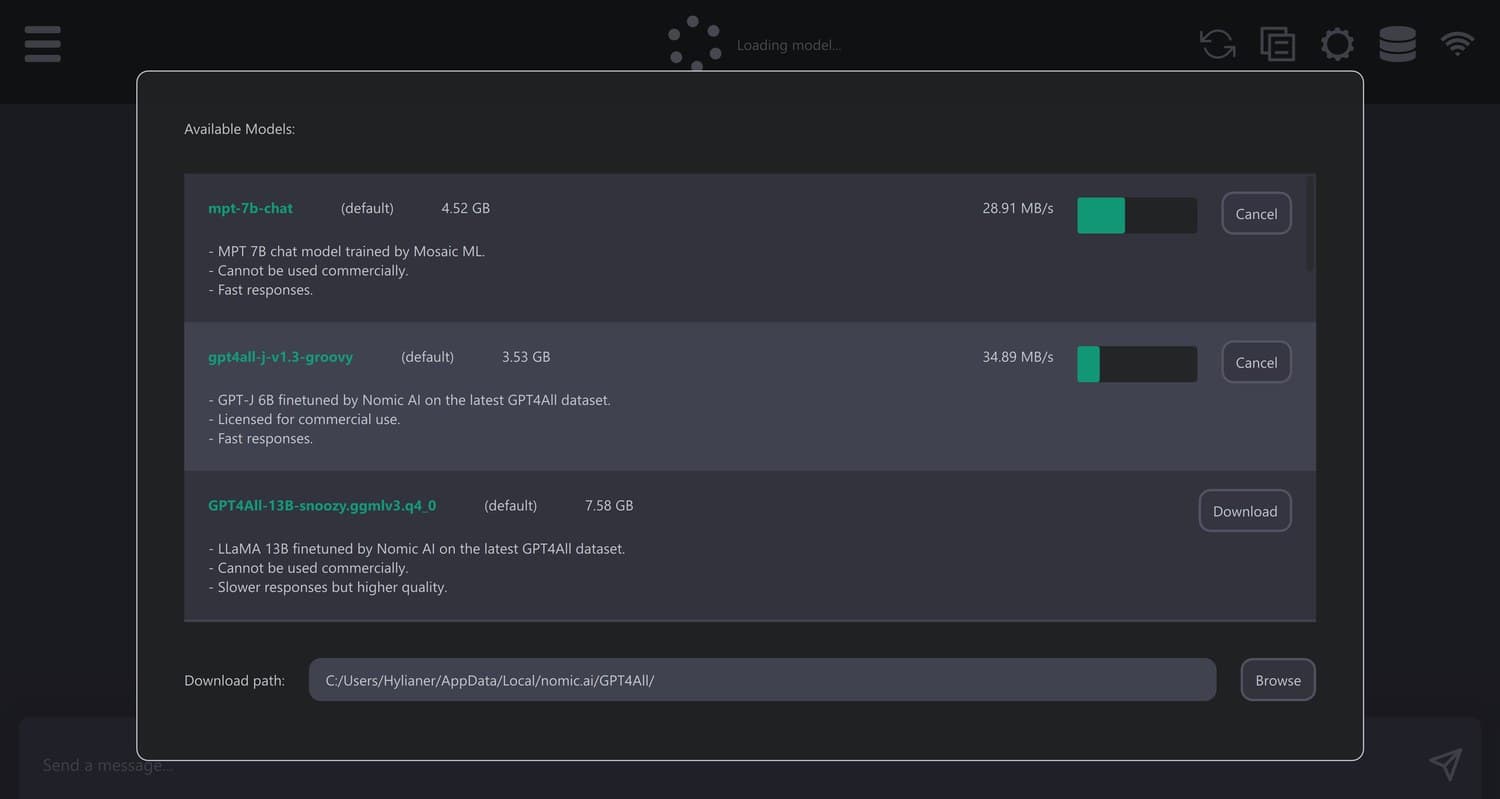
The fiddling is what really changed. With a tool like Ollama you pull and run a model with one command, and it handles quantization and hardware detection for you. That used to take an engineer several days.
Security only gets you halfway
One more render costs nothing
With an API you pay every time you call it. For a handful of calls the amount is not worth thinking about, and the work a content organization does tends to pile up by the unit. Three hundred subtitle drafts, two thousand thumbnail candidates, a hundred hours of transcription, five hundred tracks to split into stems. A few cents a call meets those numbers and turns into a monthly line item.
Locally you pay for the GPU once and pay the power bill after that. Queue a batch overnight and the invoice does not move. A hundred renders or a thousand costs the same. That is where the output changes. A team choosing from ten options and a team laying out two hundred do not ship the same thing.
The break-even deserves an honest look. If your volume is low, the API is cheaper. Add the hardware to the time it takes to set up and maintain, and the first bill is not small. But an organization running the same job every week clears that point within a few months.
You can shape the model to your own work
With a commercial API the model itself is off limits. Coaxing it with prompts is all you get.
Locally it is different. ACE-Step, covered below, takes eight tracks and an hour of training on an RTX 3090 and puts your style inside the model. LoRAs are already routine on the image side. Load your artist's face, your game's art direction, and your brand palette in ahead of time and you stop explaining them in every prompt.
Pinning a version matters just as much. Commercial vendors swap models out quietly. Run last month's prompt this month and a different picture comes back. On a series that has to hold one look all season, that is an incident. Weights you have downloaded do not change.
Not getting censored turns out to matter more than people expect. Safety filters on commercial services regularly block violent scenes, horror concepts, and anything involving a real person. The work is legitimate production work, and the tool censors it and hands it back. Locally the company makes that call. The company also owns the consequences of making it.
One more condition looks minor and comes up constantly on set. It runs without internet. The same tool works in a container on location, in a regional edit suite, and on a plane.
Text, already in production
Text leads the four areas, and another big release landed this month.
Alibaba announced the Qwen3.8 generation on August 3, saying it would open-weight both the 2.4-trillion-parameter Max flagship and a 27B dense model. Max went up on August 12 and the 27B on the evening of August 14, on Hugging Face and ModelScope. The 27B carries Apache 2.0, so commercial use comes with no revenue-share clause. Max shipped under a separate license.
By Alibaba's account the 27B runs on consumer hardware and, quantized, on a laptop, while matching Qwen3.7-plus, a MoE ten times its size, on coding, practical work, research, and long-horizon agent tasks. It is also a native vision-language model that reads images and video. Two days after release it was among the five most-watched models on Hugging Face.
The confirmed specs: a dense 27B taking text, images, video, charts, and documents. A native context of 262,000 tokens stretches to a million with YaRN, and there is a mode that dials reasoning depth down to save compute. Alibaba's own evaluation puts SWE-bench Pro at 61.7, past the 53.5 of the previous 3.6-27B, with agentic terminal coding at 73.0 against 63.4. No independent benchmarks yet, so treat these as vendor numbers.
The previous generation was already striking. Qwen3.6-27B scored 77.2% on SWE-bench Verified, meaning a 27B running on a single consumer GPU beat the company's own 397B MoE flagship from two months earlier. Alibaba kept Max-class behind the API for a while and reopened it this time. The video side, below, runs the other way.
Look further up and there are options, but not for your server room. DeepSeek V4 Pro leads open-weight coding at 80.6% on SWE-bench Verified, and on composite indexes Kimi K3 sits first at 57 with GLM-5.2 behind at 51.
This is where people get confused about what they can self-host. A low active-parameter count looks like it should run on a desktop, and it does not. Kimi K3 has 104B active but all 2.8 trillion have to sit in memory, which is 594GB even compressed to 4-bit. Active parameters set the speed, total parameters set the memory. Judge by the total.
Sorting by GPU tier makes the choice easy. The 16GB on an RTX 5080 fits a 27B at 4-bit. The 32GB RTX 5090 is the only consumer GPU that runs Llama 4 Scout's 109B MoE without offloading. Below 16GB, once you account for multimodal overhead, 14B is effectively the ceiling.
| Memory | What fits |
|---|---|
| 8GB | 8B class |
| 16-24GB | 27B class, the practical sweet spot |
| 32GB and up | MoE with 3B active |
| Multi-GPU server | 200B class |
| Data center | 700B class |
In practice this is the work that moves inside the building. Summarizing contracts and settlement data, reviewing unreleased plans, searching internal documents, first-pass triage on customer inquiries, subtitle drafts, press release first drafts. Most of the repetitive work covered in the agent report lands here. Put a 27B on one consumer GPU and it absorbs nearly all of your internal document work.
Images, effectively caught up
Open-weight models like FLUX 2 and Qwen-Image now match or beat closed systems on realism, text rendering, and editing, with the company holding on to distribution and data handling the whole time. Qwen-Image is 20 billion parameters under Apache 2.0.
Of everything released this year, HiDream-O1-Image-Dev is the most interesting. At 8 billion parameters it beats models seven times its size on GenEval, DPG, and HPSv3. It strips out the VAE and the external text encoder entirely and generates 2K natively. As of May it sat eighth on the Artificial Analysis text-to-image arena, the highest open-weight entry on that board. It runs in 28 steps without CFG under an MIT license. If you have been waiting for an open model that renders text inside an image as well as the closed leaders, you can stop here.
The cost of entry came down too. Z-Image-Turbo generates in 8 steps within 16GB, and FLUX 2 Klein 4B uses about 13GB on an RTX 3090. Both are Apache 2.0. Between them, the entry point for self-hosting dropped to the GPUs people already own.
Feed FLUX 2 several reference images and it composites a specific person, style, or product without separate training or a LoRA. The identity locking covered in the likeness licensing report works locally too.
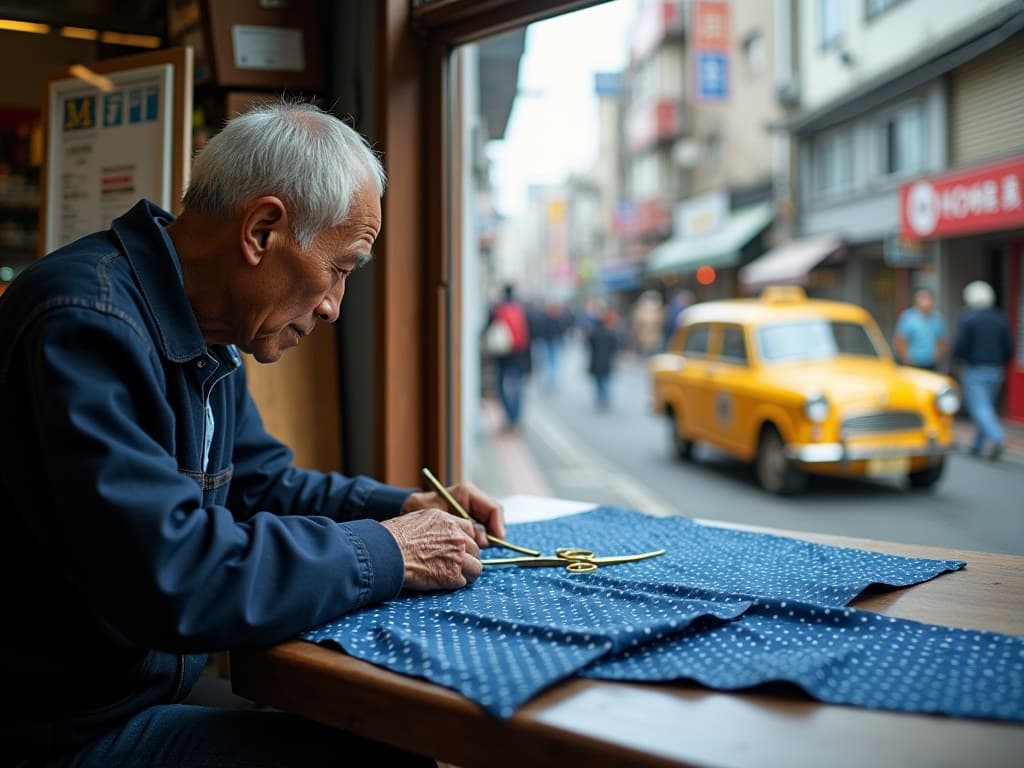

Someone made both of those on a personal PC in ComfyUI with FLUX.1 weights. Nothing went through the cloud, and neither the prompts nor the files left the machine. Images from Wikimedia Commons, public domain.
Concept boards, thumbnails, merchandise mockups, stage references, rough ad comps, and game art references get made this way, in house.
There is a license trap. FLUX 2 Klein 4B is Apache 2.0 and the 9B is not. FLUX 2 dev is open-weight as well, but commercial use requires a separate application on the Black Forest Labs site. Same name, different terms.
Audio, where the board flipped
Audio moved more than anything else in the past year and has gone almost undiscussed in Korea. Voice and music need separate treatment.
Voice
Voxtral TTS, released by Mistral on March 26, is a 4B open-weight model. In blind listening tests 62.8% of listeners preferred it to ElevenLabs Flash v2.5. It clones a voice from three seconds of audio, supports nine languages, and hits 70 milliseconds to first audio on an H200. It carries CC BY-NC 4.0, so commercial use has to go through Mistral's API.
Freer licenses exist. Step Audio EditX and Fish Audio S2 Pro trade the lead, Chatterbox handles 23 languages under MIT, and Kokoro produces surprising results on CPU with 82 million parameters. Two years ago none of these were downloadable.
The team behind IndexTTS2 separated emotional expression from speaker identity, so you steer timbre and emotion independently and specify audio duration exactly. That matters a great deal on dubs where the subtitle timing is already locked.
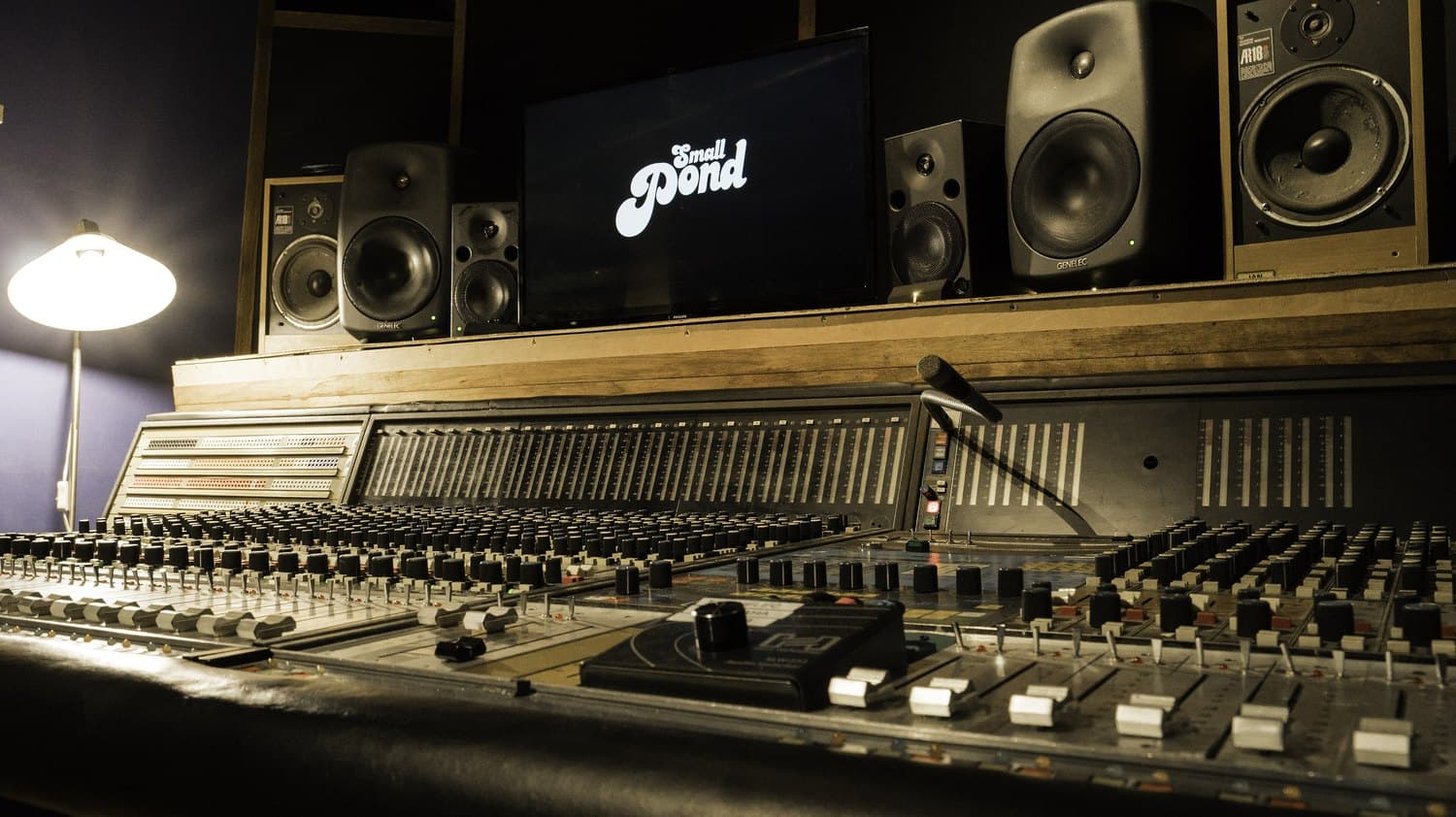
Guide vocals, multilingual dub passes, trailer narration, audiobook drafts, and internal training video voiceover all get made in house. Stem separation, transcription, and noise removal have run on consumer hardware for years via specialized models. Splitting the vocal off that unreleased master, from the top of this piece, belongs here. It works inside the building today.
Music
The most important release in audio this year came out of this corner.
ACE-Step 1.5, built by ACE Studio and StepFun, generates a track in two seconds on an A100 and under ten on an RTX 3090, and it runs in 4GB of VRAM. You set BPM, key, and time signature, and steer style with a reference track. It takes lyrics in more than fifty languages including Korean. LoRA personalization works too: eight tracks and an hour of training on an RTX 3090 puts your style in the model, and 12GB is enough.
The follow-up, ACE-Step-1.5-xl, scales the decoder to 4B for better audio and prompt adherence while still generating in eight steps through distillation. The part that actually matters is the data. Unlike earlier models trained on copyright-ambiguous material, which made them awkward for real work, the team used only properly licensed and public-domain data and opened the outputs fully to commercial use.
That combination is worth pausing on. Clean training data, commercial use permitted, runs in 4GB, executes locally. Line it up against the disclosure obligations covered in the AI disclosure report and it gets clearer. If you can account for where the training data came from and the files never leave, that is the lowest-risk option on the table for making material you intend to release.
On absolute quality the consensus still favors commercial services, so do not read this as advice to cut your single here. But background music for video, trailer beds, demo references, in-store music, the work you currently outsource or buy from a library, all of that can be handled internally.
If the job is cloning an artist's voice, rights come before technology. As covered in the likeness licensing report, a voice the person has not authorized in writing does not become safe by running locally.
Video, wide at the bottom and capped at the top
Video sits differently from the other three. The number of usable models went up and the top end is walled off.
Four names are competing in production right now. LTX-2.5, Wan, HunyuanVideo, and CogVideoX are the workhorses of open video in 2026. Open-weight video models have closed on the quality of closed services, and the LTX family alone has passed 33 million downloads on Hugging Face. That is the signal that this moved from research curiosity to production infrastructure.
The four have different personalities. The team behind LTX-2.5 spent its effort on structure rather than raw quality. It generates video and audio together in a single forward pass, supports multi-shot sequences that hold continuity across cuts, and accepts depth, pose, edge maps, and motion tracks as conditioning. Doing any of that with the other models means bolting on a separate pipeline. It generates from text, images, and audio, edits existing footage, relights, swaps dialogue, regenerates a single stretch of a clip, and upscales, all without changing models.
The bar is higher, though. A 24GB consumer GPU runs Wan 2.1, HunyuanVideo, CogVideoX, and Mochi 1, while LTX-2.5 alone wants 32GB and sits one tier up. More capability for a higher floor, which is an honest trade.
By GPU memory it breaks down like this. Between 16 and 24GB you get 480p from the smaller Wan 2.2 variants, and HunyuanVideo 1.5 only just runs with memory pushed to the limit. 24GB is the recommended baseline for self-hosted video work, where Wan 2.2 runs at 720p and HunyuanVideo 1.5 produces 480p in about 75 seconds. Above 48GB, high resolution and batch work open up. The lowest floor of all is LTX Video at 8GB.
Here is what the cap looks like. Wan 2.2 is still the last open Wan. The 2.5, 2.6, and 2.7 releases added synchronized audio, 1080p, and fine frame control, and all of them are API-only with no public weights. Above that sits MiniMax H3, ahead on shot design and character consistency, weights released, and 80GB required to run it locally. MAGI-2 wants 48GB for the full 24B variant, with only the 8B sibling fitting in 24GB.

Video developers were the first to start hiding their newest work behind an API. Text, image, and audio labs keep opening their latest models while video moves the other way. Generation cost and how fast it commercializes are the likely reasons.
So previz, boards, internal review clips, and reference footage get made in house, while release-grade final output still goes to commercial services. You cannot get a Seedance-class model, covered in the likeness licensing report, for local use. Run the early stages that touch unreleased material locally, then move the final render to a point in time, or a set of materials, you would not mind seeing in public.
Read the license before the benchmarks
Most of the accidents in this field happen right here.
Practitioners advise settling license and jurisdiction first and looking at workload and serving scale second. Open-weight rarely means fully open source. Most releases open the weights and keep the training data closed.
Similar names carry very different terms. Apache 2.0 and MIT leave you commercially free, while community licenses attach conditions. Meta spread the widest ecosystem in the West with Llama 4 but uses a custom community license that excludes European developers from the multimodal rights. Voxtral, above, is a case where the performance is strong and the terms are non-commercial. The modified MIT that the Kimi family uses attaches an attribution requirement at scale.
The case where Korea is excluded outright
The clause most likely to burn a Korean team is the territory. MiniMax H3, above, is the example. MiniMax attached a license to its weights that fixes the permitted territory as the entire world excluding the United States, the EU, the United Kingdom, and South Korea. Using those weights in Korea requires separate permission from MiniMax, and without it you are outside the license.
MiniMax cited the regulatory environment around video generation models. Its head of developer relations said the exclusion of the United States specifically stems from ongoing copyright litigation with Hollywood studios. To use it in Korea you end up on MiniMax's hosted service.
Releasing the weights and being allowed to use them are not the same statement. Korean teams are better off checking the territory clause before opening the performance table.
Jurisdiction is separate from the license and also needs attention. If you are using a Chinese model, taking the weights and running them in house is a completely different decision from using that company's hosted API. The latter turns into a question of whose national infrastructure the data crosses, and some of these developers are on US sanctions lists. If data sovereignty is why you started, do not lose that distinction.
Hosting also comes with a lifespan. One model launched in January and shut down in May, and another developer retired its older endpoint in July. Build a product on a hosted API and you have to keep tracking model lifecycle policy. Self-hosting has none of that worry. Weights you have downloaded do not disappear.
A company producing material it intends to release cannot treat licensing as a matter of taste. Read the contract before you pick the model.
What changes next year
Judge only by the current snapshot and you will neither buy what you should buy nor wait for what is worth waiting for.
Hardware that is not coming
The first item is bad news.
Nvidia is reported to be announcing three models, the RTX 5060 Super 12GB, 5070 Super 18GB, and 5080 Super 24GB, at CES in January 2027. The 18GB on the 5070 Super would be a first for a consumer GPU. The lineup is built for demand to run AI work on personal hardware.
The problem is that Nvidia keeps pushing these back. A memory shortage cut GPU production 30 to 40% in the first half of 2026, and the Super series slipped past this year in the fallout. The 18GB and 24GB models slipped the furthest, because they need high-density 3GB GDDR7 modules and Nvidia sends that supply to higher-margin data center parts first. The industry expects the shortage to run into 2027. Some partners were reportedly told the delay is indefinite. AMD has pushed its next architecture past mid-to-late 2027, so Nvidia has no reason to rush either.
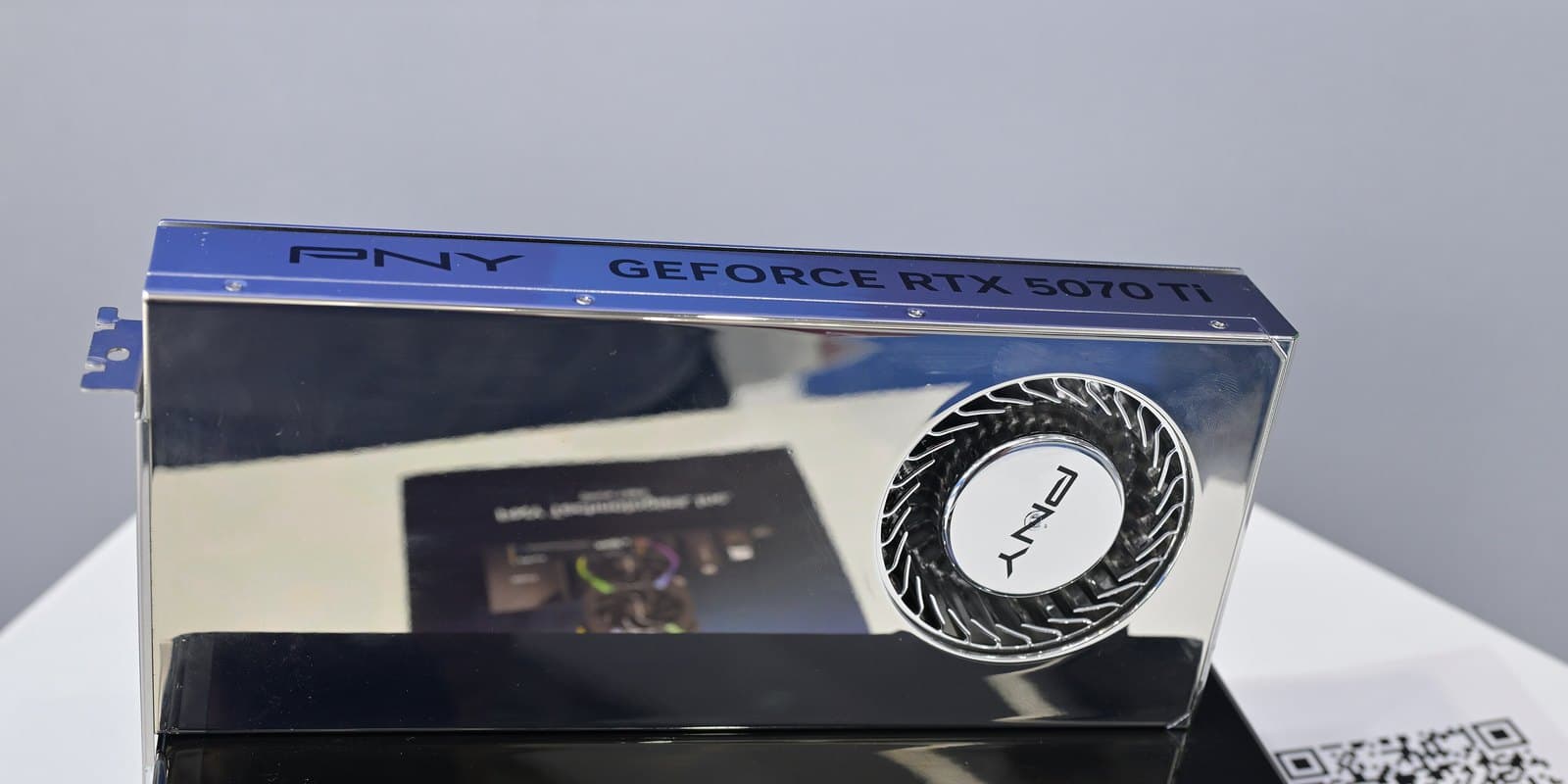
If you need 24GB now, buy a used RTX 3090 or a new 4090. Waiting can cost you more than a year, and there is no guarantee the specs or prices land where the rumors say. Planning to wait for CES to buy 18GB or 24GB is risky. Secure one 24GB GPU now and it earns its keep for at least a year. Prices are climbing, so buying later means paying more.
There is a path outside Nvidia as well. For large models, unified memory machines are worth a look. The Mac Studio M3 Ultra addresses up to 512GB of unified memory at 819GB/s, holding models that would need four or more RTX 4090s while drawing far less power.
Different areas open at different speeds
Text, image, and voice will likely continue the past year's pattern. The 27B-on-one-consumer-GPU shape has settled, and quality at that size keeps rising. If hardware stops growing, developers will concentrate even harder on optimizing that band.
Video, as above, runs the other way. Moving the newest work behind an API has already started and nothing suggests it reverses. Local video will probably still be a previz tool next year.
So here is what to decide now
Hardware is not growing for a while. Design around what fits in one 24GB GPU. Text, image, and voice do production work inside that and only get better. Video does previz inside it, and the final piece gets made outside.
When hardware loosens up next year, bring video inside then. There is no reason to delay starting over something that does not exist yet.
Where the accidents actually happen

Everything above splits cloud from local, and the place accidents actually happen sits outside that split.
An employee uploads a settlement file to a personal account for a summary. A freelance editor drops the original into their own tools. A publicist pastes an unannounced plan into a chatbot. All of it is happening already, and the company is the last to know.
That is where a local setup earns its keep. Instead of blocking, you put something usable inside. Without a decent internal tool, people use outside tools. Block it by policy and they use it quietly. Giving them an environment good enough to use inside the building is the only control that works.
What to do from where you sit
Executives. Start by finding out who is putting which files into which tools right now. Look at the reality before you send the prohibition memo. And one 24GB GPU costs less than a junior's monthly salary, with another year of price increases likely.
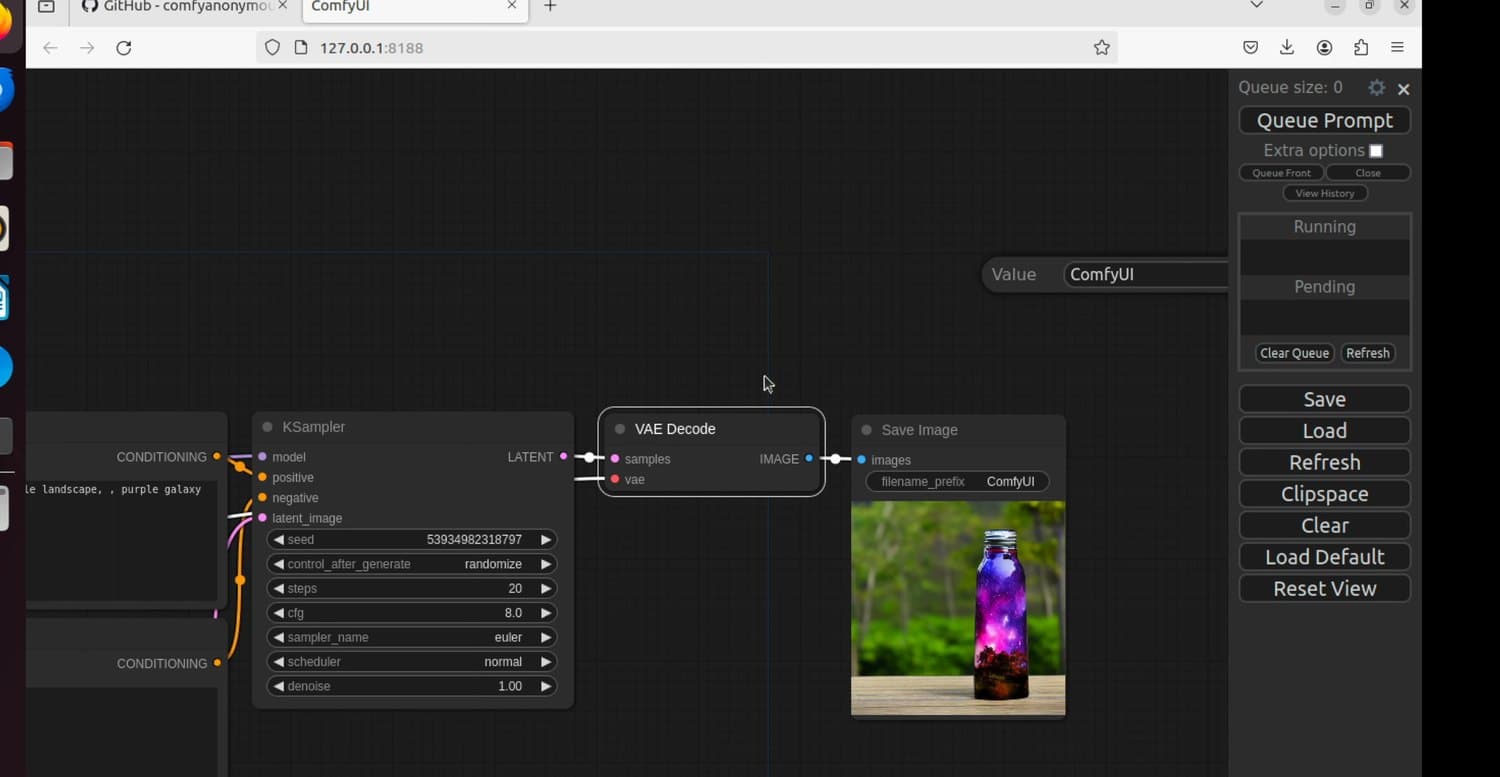
Technical leads. Standing up a 27B with Ollama or LM Studio takes half a day. ComfyUI is the standard for images. Putting one machine up and letting the team touch it beats any evaluation document.
You do not need to stare at benchmark tables to pick a model. Vendors post numbers from configurations that flatter their own models, benchmark items may have leaked into training data, and above all the tables reflect reality several months late. Instead, build twenty to fifty cases from your own work data and run the comparison yourself. Half a day, and more accurate than a hundred benchmarks.
Practitioners. Sorting out in advance what does and does not work locally speeds up approvals. Keep a list you can answer from immediately when someone asks whether a job can stay inside.
Teams building AI products. If your product sells to content organizations, an on-premise option is not a feature on the list. Without it you do not get evaluated at all. Cloud-only cannot reach the work that touches the most expensive files in this business.
The question has changed
A year ago this piece would not have been writable. Local models were for demos and hard to recommend for real work.
Now it is different. Document work, image work, and voice work run on one consumer GPU, and video has come as far as the early stages.
Teams that have been running one for a while tend to stop mentioning the reason they started with. They begin with keeping files inside, then talk more about pulling a thousand comps without the bill moving and about loading their artist's face into the model ahead of time.
So the question to ask has changed. It moved from whether to use AI to which work runs where. And at the companies that have not answered, the staff have already answered for themselves.
Read next
Previz Comes After the Prompt
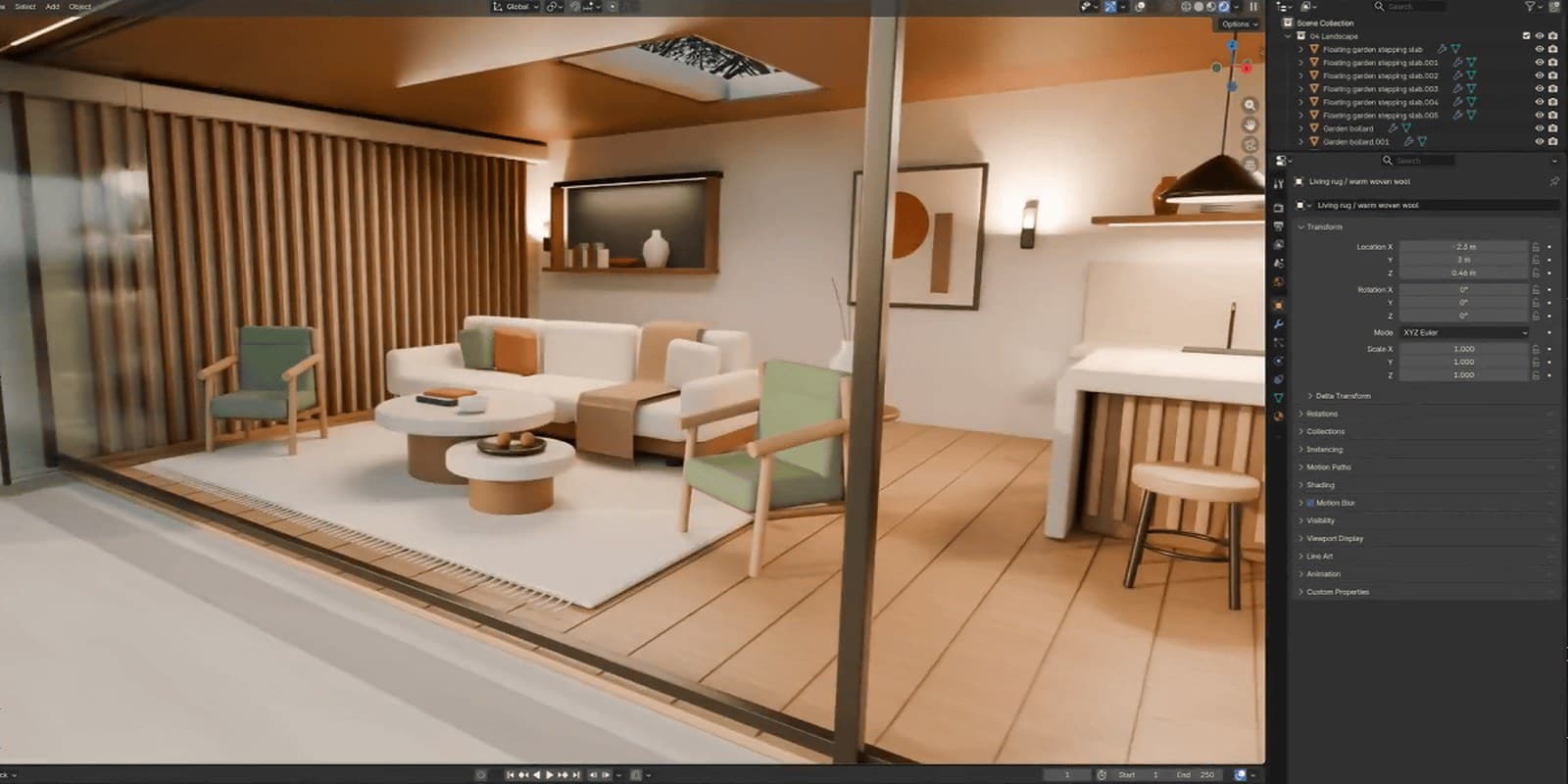
Three things landed in the first week of September. GPT-6 Astra built a house in Blender and moved it into Unreal, Higgsfield bolted a 3D workspace on top, and Images 2.5 got better at holding a reference image steady. String them together and the order of AI video production changes. Here is what is confirmed and what is still a vendor claim.
AI Music Is Getting Tagged. Nobody Can Answer the Question
The global recording industry agreed to tag tracks made with AI, and a declaration field showed up on distributor upload screens. It asks whether you sent the master to a web service and whether a chatbot wrote the first draft of the lyrics, and almost nobody remembers. Across five major Korean music services the question is asked three different ways, and three of them do not ask at all. We followed one checkbox down the distribution chain.

We Asked AI About Our Artists
Ten K-pop teams, four questions each, four conditions, 280 responses checked against a verified answer key. Error rates ran from 3.8% to 40%. The widest gap turned up inside a single model: whether it was connected to search mattered more than which model it was.