The Actor Who Never Comes to Set
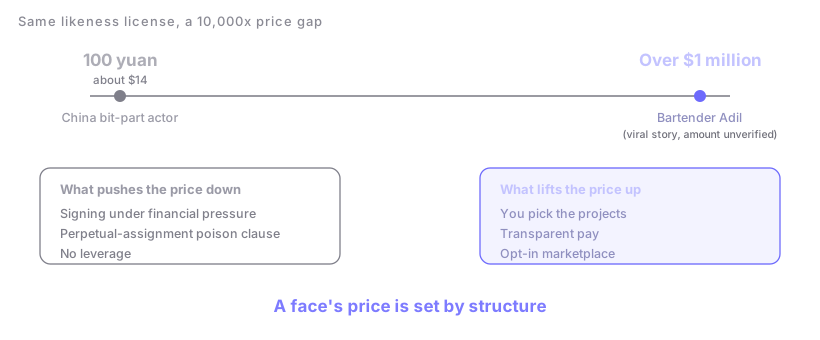
A story goes around that an unknown bartender got over a million dollars for the use of his face, while Chinese actor group chats fill with notices offering 100 yuan to buy a face. The same likeness right is splitting tens of thousands of times in value. How it became possible, what sets a face's price, and what agencies, artists, and advertisers each need to prepare.
Adil was a young man tending bar in New Jersey. Between mixing cocktails in the evenings, he happened to appear a few times in the Instagram reels of an AI video company called Higgsfield. He never auditioned, never signed with an agency. Yet this past spring a story started going around that he had been paid over a million dollars for the use of his face alone. He reportedly never went near a set, which is to say what the company signed wasn't his acting, it was his face.
The story spread across X, reshared by millions. No outlet has separately confirmed the figure, and Higgsfield may well have leaked it as marketing. But set the truth of it aside and there is still something worth watching. A story everyone would have laughed off two years ago is now taken as plausible by people in the industry. They have quietly begun to admit that a market exists where even an unknown face might be worth a million dollars.
On the other side of the world, though, one country is already running this market past the story stage, as an industry. There, the price of a single face falls as low as 100 yuan, a little over ten dollars.
China, already a market
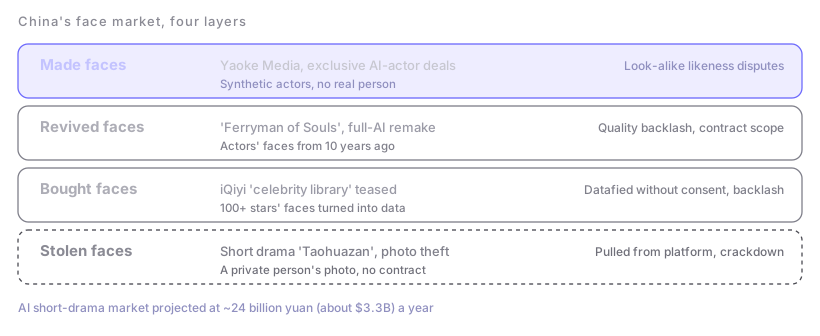
China is trying out just about every experiment you can run on a face this year. Let's go layer by layer.

At the very top are faces made from scratch. In March, the content studio Yaoke Media announced exclusive contracts with two AI digital actors, Lin Xiyan and Qin Lingwei, synthesized from nothing without any real person. They will open official accounts on Douyin and Xiaohongshu to talk with fans and appear in dramas, and the company made no secret of the calculation: use them instead of human actors who charge hundreds of thousands a episode. The reaction was rough. Alongside complaints that the expressions looked off came claims that the two faces resembled a blend of several real stars. It is what China calls the look-alike (撞脸) controversy, and lawyers in Beijing warned that commercial activity with such faces could run into both likeness-right infringement and unfair-competition claims.
Below that are revived faces. 'The Ferryman of Souls,' a national franchise adapted into dramas and films since 2014 and viewed a cumulative 4.5 billion times, was remade by its team fully in AI, acting, backgrounds, and editing, bringing the actors back exactly as they looked ten years ago. Director Guo Jingyu explained that AI renders the fantastical scenes real actors would struggle to perform. The trailer drew complaints that the eyes and emotion looked stiff, but what matters is the fact itself, that formally licensing an actor's likeness to make new work with a past face is actually happening. The business of waking a dormant catalog back up through a face license has begun.
Below that again are bought faces. iQiyi, one of China's leading content platforms, teased a 'celebrity library' for AI content production, listing over a hundred stars and saying it would turn their faces and voices into data so AI video could draw on them freely. CEO Gong Yu even mused that the works they had actually filmed might become world cultural heritage in a few years. Then the named stars rose up, saying they had never agreed to the use of their likenesses, and calls to boycott the platform spread on social media. The platform wants to stack faces like a library, and the faces' owners didn't even know when they were added to the lending list.
And at the very bottom sits a market that buys and sells faces outright. With forecasts that China's AI short-drama market will grow to 24 billion yuan, about 3.3 billion dollars, this year, recruitment notices for AI actors offering perpetual assignment of likeness rights are flooding casting group chats. Posts offering 100 yuan for a likeness show up too. Unknown and bit-part actors sign for a pittance out of necessity, and a poison clause buried in an appearance contract can hand a face over to a studio forever after a single drama. Sometimes there is no contract at all. 'Taohuazan,' an AI drama that lifted a private person's social-media photo wholesale, was eventually pulled from its platform.
To sum up, China is a country where made, revived, bought, and stolen faces all turn inside one market at once. It is the largest by scale and the cheapest by price. As the market caught fire, the authorities moved. From March, the Cyberspace Administration and the film-and-broadcast bureau launched a special crackdown on unauthorized face synthesis, and in a draft rule for digital-virtual-person services they pinned down that making a virtual-person service with an identifiable person requires that person's consent. The market blew up first and regulation is running to catch up.
Higgsfield's premium experiment
Higgsfield in the US designed the same business at the opposite price point.
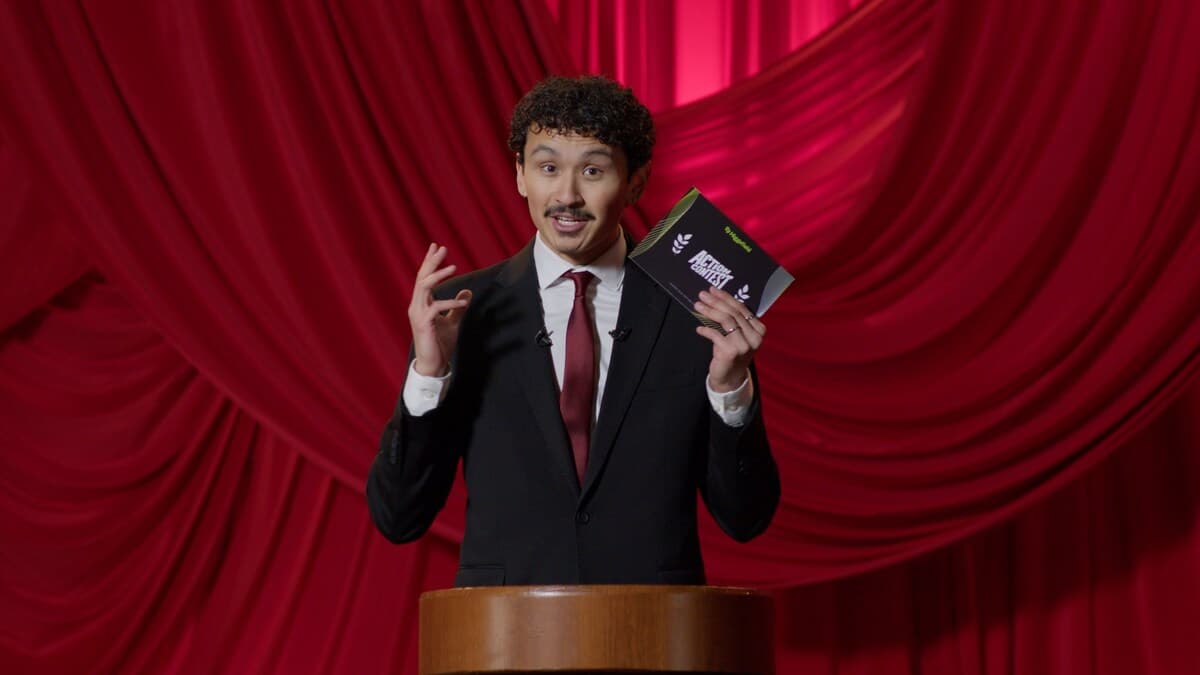
The company launched, as an official business, a structure where influencers lend their likeness to the platform: you choose which projects you appear in, you get paid, and you can appear in several works at once. By the company's own numbers it reached an annual revenue run-rate of 300 million dollars within eleven months of launch, at a 1.3-billion-dollar valuation. With 85% of its activity in brand campaigns, the market's first customer, the advertiser, shows up right here.
Put the two markets side by side and a strange picture appears. For the same likeness right, a Chinese bit-part actor signs for a little over ten dollars, while the New Jersey bartender story carries a million. You can't explain a gap of tens of thousands of times by the quality of the face. What made the gap is the negotiating structure around the contract. In a market where you choose your projects and set your terms, the price of a face climbs; in a market that stamps a perpetual assignment out of someone who badly needs the money, it falls to ten dollars. Here is the first lesson of the likeness-licensing age. A face's price isn't set by the face. It's set by the structure.
And there is a reason this market broke out along so many branches at once this year. Over the past twelve months, the model developers solved one problem that had long been stuck.
The technical reason a face became an asset
AI video existed two years ago too. But back then the face business didn't hold up, and the reason is simple. The model couldn't keep the same face. Draw the same person in a second cut and someone else came out, and you can't hand a client a face that changes shot to shot, so a license was of no use even if you signed one.

Over the past year the developers solved it. The ability to lock a person's look from a few reference images became standard in the major models. Google's Veo 3.1 keeps a person's and an object's appearance from just three references, and ByteDance's Seedance takes nine images plus clips and audio. The open-weight Wan 2.7 offers the same control. The industry no longer treats character consistency as a bragging point but as a given. On top of that, Seedance 2.5, released this month, added local editing, fixing only a chosen part of a video, which means reworking a cut you dislike without a reshoot. Multilingual lip-sync is already supported by several models too, so making a single locked face speak in seven languages is now doable.
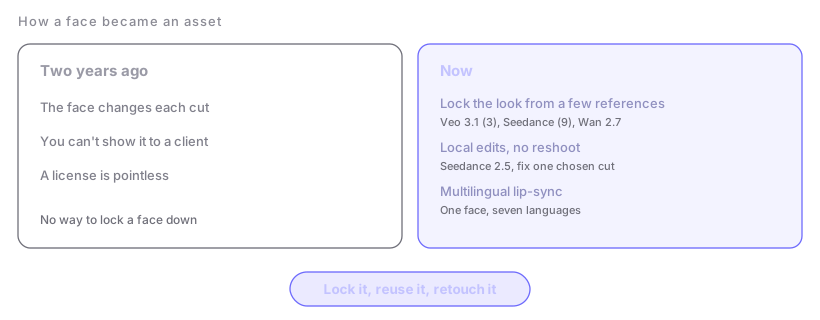
In short, the makers can now lock a face down, pull it out, and touch it up. That is why China's short-drama scene runs on ten-dollar faces, and why the Ferryman team can make new work from an actor's face of ten years ago. Once faces could be handled this way, the hard problem moved. Past the days of worrying whether an image would even come out, the fight is now over who owns that face and what the contract says about it. Yaoke's look-alike controversy and the revolt of the hundred actors in iQiyi's library both broke out at exactly this spot.
When time and face come apart
The entertainment industry has one old constraint. The artist's time. However popular, the body is one, so there is a limit to the stages you can stand on and the ads you can shoot in a day, and an agency's revenue model has always been built around how to allocate that scarce time.
But once you can detach the face from the appearance and lend it separately, that old premise wobbles. Even while the artist rests, the company can make and put out content with that face. When Higgsfield says one influencer appears in several works at once, there is no exaggeration in it. Instead of burning a whole day on an ad shoot, you hand over only the likeness right, and making one ad into per-language lip-sync versions to release country by country is, on the technology alone, already possible. Once the road opens to making new work from a past face, as with the Ferryman, a retired artist and a bygone prime become revenue sources again for the agency.
Here the lesson comes back. A face's price is set by the structure. If an unknown bartender's face draws a million-dollar story while a Chinese bit-part actor's sells for ten dollars, where does the face of a K-pop idol, the most carefully managed and most fiercely fanned in the world, land on the scale? The answer isn't handed down by the face's popularity. It is set by what contract structure and leverage the agency has built. Few Korean agencies have run this calculation seriously, and before long someone may run it for them. If a platform or advertiser comes first with a number in hand, they will have to sit down and negotiate with nothing prepared.
Rights still can't keep up with faces
The look-alike controversy hints at how wide the gray zone of this game is. Even a synthetic face that claims to resemble no one gets caught in likeness and unfair-competition disputes. All the more when you borrow a real person's face, alter it, and transplant it into an unfamiliar context, the variables to write into a contract multiply. How far to permit the use, how to handle the trained model and the finished videos when the contract ends, who is responsible when the face turns up somewhere the person would hate, all of it has to be set down in writing. The perpetual-assignment poison clause in China's short-drama scene is just an extreme case of writing every one of these variables in the studio's favor.
Regulation in each country is moving toward this point too. China's authorities put out a draft rule spelling out consent for virtual-person services, and are running deepfake crackdowns alongside. Korea treats the unauthorized commercial use of a celebrity's face and name and other personal markers under the Unfair Competition Prevention Act, and the AI Framework Act in force since January added a labeling duty for AI-generated output. The moment you make and release an AI video with an artist's face, you take on two chores at once, a likeness-use contract and output labeling, and neither is in most agencies' standard contracts or publishing flows today.
Tellingly, Higgsfield turned this very risk into a product it sells. It released a tool that checks whether output resembles a celebrity's likeness, a copyrighted character, a brand logo, or even a particular director's style, and added a feature that limits reference uploads themselves to curb someone's likeness being made without permission. It is, in effect, selling the rights check as a separate paid item, and the fact that such a business works is itself evidence of how often things go wrong.
What to do from each seat
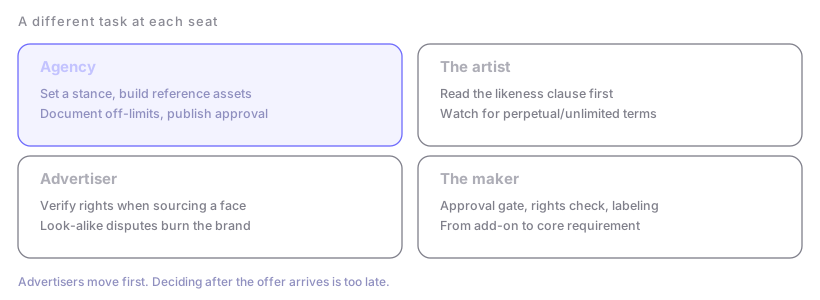
It may still sound like another country's problem. But in this market the advertiser moves first. That 85% of Higgsfield's activity is brand campaigns means the party most likely to first propose an AI use of a face is the advertiser, not the platform. And the task to prepare differs at each seat that proposal reaches.
Start with the agency. First it has to take a stance. Whether to see the artist's face as a lendable asset, and if so whether the company holds the rights and runs them itself or opens the choice wide to the individual artist. The two roads look different from the first page of the contract, and how far a face's price falls when you're dragged into the market without setting the structure, China's short-drama scene has already shown. Once the stance is set, it's time to gather the kit. Preparing a reference set and a voice model to lock the look and fixing the access process, walling off in writing before signing the places an artist and fandom won't tolerate, like liquor or politics, and deciding who approves an output with the face in it before it goes out and at which step the labeling duty is handled, all of it is one bundle. A video that goes out wrong can't be taken back, and a face is the person themselves before it is a company asset.
For the individual artist and creator, the contracts of China's bit-part actors are the textbook. One likeness clause slipped into an appearance contract hands the face rights over forever. From now, before signing any contract, you have to find and read the language on likeness and voice first, and if terms like perpetual assignment or unlimited use appear, weigh the price again. The flip side is that opportunity opens to the individual too. As Adil's story shows, in an opt-in market even an unaffiliated individual's face draws a price. You could be the first generation to set the terms of your own face.
Advertisers and brands get the same task from the other side. The moment you source a face for a campaign with AI, the duty to check that the face's rights are clean follows. Get caught in a look-alike dispute and the brand's name burns along with it even after the ad comes down. Read Higgsfield's move to sell a rights-check tool from the advertiser's seat, and it looks like a warning that this verification will soon be a required step in every campaign.
Finally, the makers. Any team building a service that handles faces, platform or studio, it's time to move the approval gate, the rights check, and output labeling from the nice-to-have list to the required list. Given how fast regulation chases the market, building it in from the start comes cheaper than bolting it on later.
Even if bartender Adil's story turns out to be marketing, nothing changes. A million dollars on one side, ten on the other. The age when every face carries a price has already arrived, and the only question left is by whose structure that price gets set. Everyone already has a guess about whose faces are next.
Read next
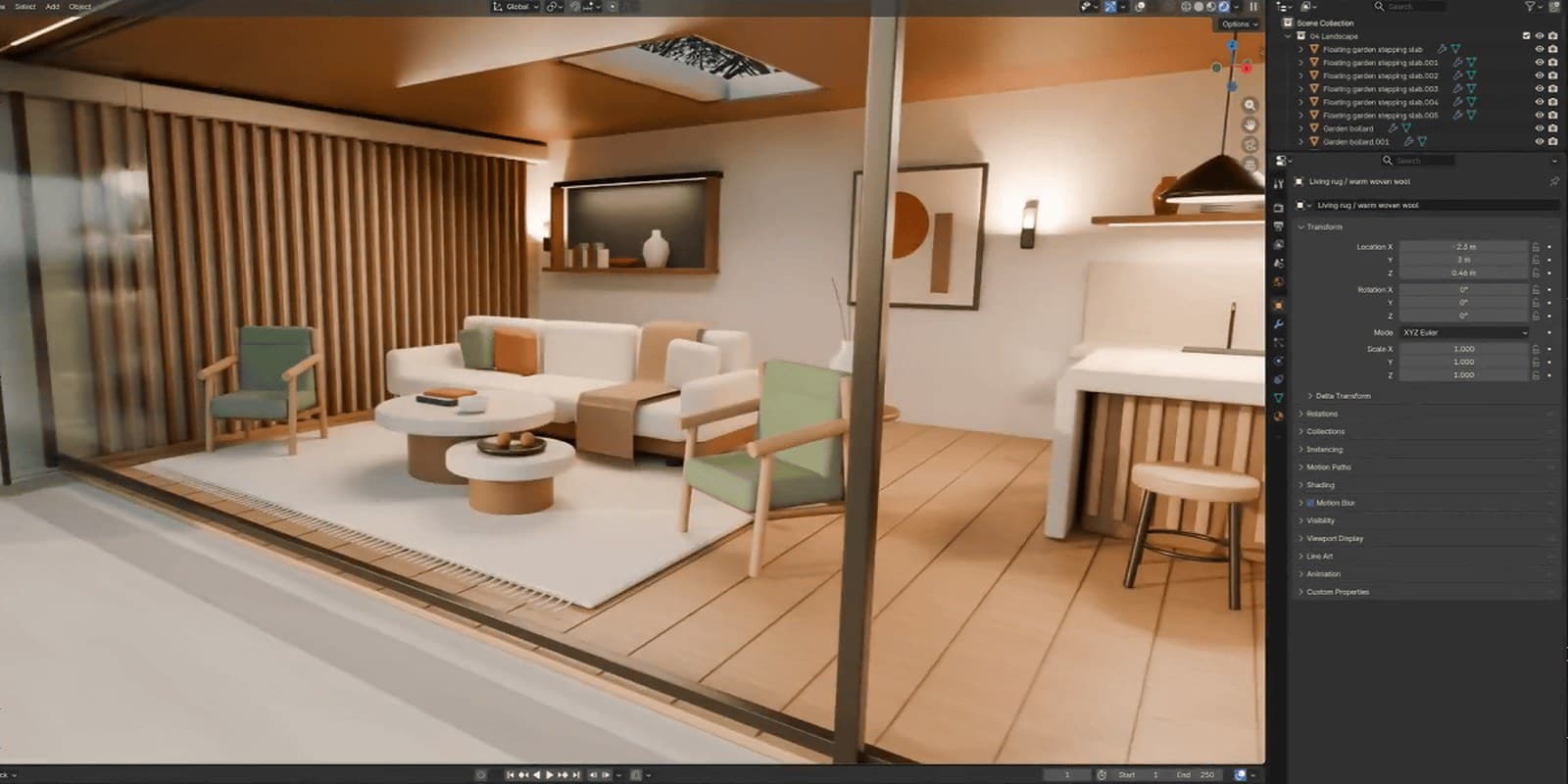
Previz Comes After the Prompt
Three things landed in the first week of September. GPT-6 Astra built a house in Blender and moved it into Unreal, Higgsfield bolted a 3D workspace on top, and Images 2.5 got better at holding a reference image steady. String them together and the order of AI video production changes. Here is what is confirmed and what is still a vendor claim.
The AI That Never Leaves the Building
Unreleased masters, raw footage, next week's pitch deck. Plenty of companies stall on AI because those files cannot go up to somebody else's server. Here is what one machine in your own office can and cannot do today, and where it lands a year from now.
AI Music Is Getting Tagged. Nobody Can Answer the Question
The global recording industry agreed to tag tracks made with AI, and a declaration field showed up on distributor upload screens. It asks whether you sent the master to a web service and whether a chatbot wrote the first draft of the lyrics, and almost nobody remembers. Across five major Korean music services the question is asked three different ways, and three of them do not ask at all. We followed one checkbox down the distribution chain.